
























































































































With Useful Content and Experiences Tailored to Each User’s Needs


Today’s digital audience expects more than general information—they want content that feels relevant, personal, and genuinely helpful. When brands offer tailored experiences that match the specific needs of each user, engagement rises, trust grows, and conversions improve. Content that is both useful and personalized has become one of the most powerful tools in modern marketing. It connects brands and audiences on a deeper level by showing that their journey, preferences, and challenges truly matter.
1. Useful Content Builds Trust and Positions You as a Reliable Source
People search online because they want solutions, not generic messages.
Delivering useful content is the first step to creating credibility.
Effective useful content includes:
- Clear explanations that solve real problems
- Step-by-step guides and tutorials
- Educational articles that add value
- Actionable strategies or tips
- Insights that help users make better decisions
When your content genuinely helps, users trust your brand—before they ever buy anything.
2. Tailored Experiences Increase Engagement and Strengthen Relationships
Personalization transforms content from “informative” to “relevant.”
It makes visitors feel understood on an individual level.
Tailored experiences may include:
- Personalized email recommendations
- Content based on browsing behavior
- Targeted landing pages
- Customized product suggestions
- Segmented newsletters
- Content that adapts to the user’s stage in the journey
When content speaks directly to the user’s needs, engagement becomes natural and effortless.
3. Understanding User Intent Helps You Deliver the Right Message
To create tailored content, you must understand what users are trying to achieve.
Different users have different goals—even if they search for similar topics.
Understanding user intent means analyzing:
- What questions they ask
- What problems they face
- What solutions they are searching for
- What stage of the buying journey they’re in
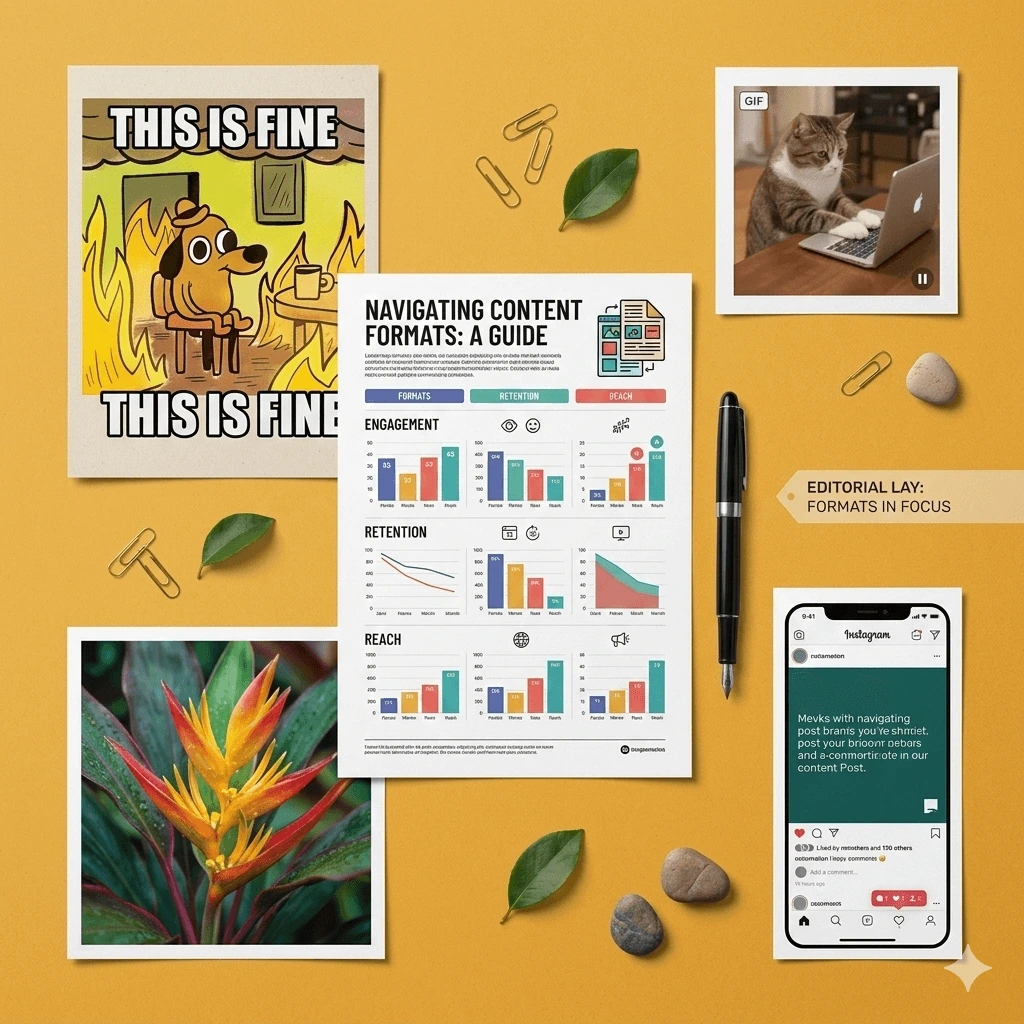
- How they prefer to consume content (video, blog, infographic…)
When you match their intent, your content becomes more powerful and more likely to convert.
4. Create User Journeys That Guide Visitors Step-by-Step
A tailored experience doesn’t stop with a single piece of content—it continues across multiple touchpoints.
A well-designed user journey includes:
- Awareness content (education, guides)
- Consideration content (comparisons, case studies)
- Decision content (benefits, testimonials, demos)
- Post-purchase content (support, training, updates)
Each step gives the user exactly what they need at the right moment, making the journey smooth and valuable.
5. Consistently Improve Content Through Feedback and Data
To maintain relevance, brands must evolve based on user behavior.
Improve your tailored content by:
- Studying analytics
- Identifying high-performing topics
- Fixing content gaps
- Asking for customer feedback
- Updating outdated information
- A/B testing different formats
Continuous improvement keeps your content fresh, accurate, and aligned with user expectations.
Conclusion
Providing useful content and tailored experiences is one of the most effective ways to build trust, increase engagement, and support the user journey from start to finish. When people receive content that genuinely helps them and speaks directly to their needs, they develop a connection with the brand—one that lasts beyond a single visit or purchase. In a world full of generic messages, personalization and value stand out as the key to meaningful digital relationships.