























































































































There Are Several Differences Between Outbound and Inbound Marketing


Marketing strategies are constantly evolving, and two of the most important approaches businesses rely on today are outbound marketing and inbound marketing. While both aim to attract customers, they use very different methods, philosophies, and communication styles. Understanding the differences between them helps businesses choose the right strategy for their audience and goals. In today’s digital environment, knowing how these two approaches work—together or separately—can make a huge impact on performance and conversions.
1. Outbound Marketing Pushes the Message, While Inbound Marketing Pulls the Audience In
The primary difference lies in the direction of communication.
Outbound marketing uses a push strategy:
- The brand sends messages out to the audience
- It interrupts consumers during their activities
- Examples include TV ads, cold emails, flyers, billboards, and pop-up ads
Inbound marketing uses a pull strategy:
- The brand attracts people who are already interested
- Consumers discover the brand naturally
- Examples include blogs, SEO, content marketing, social media, eBooks, and newsletters
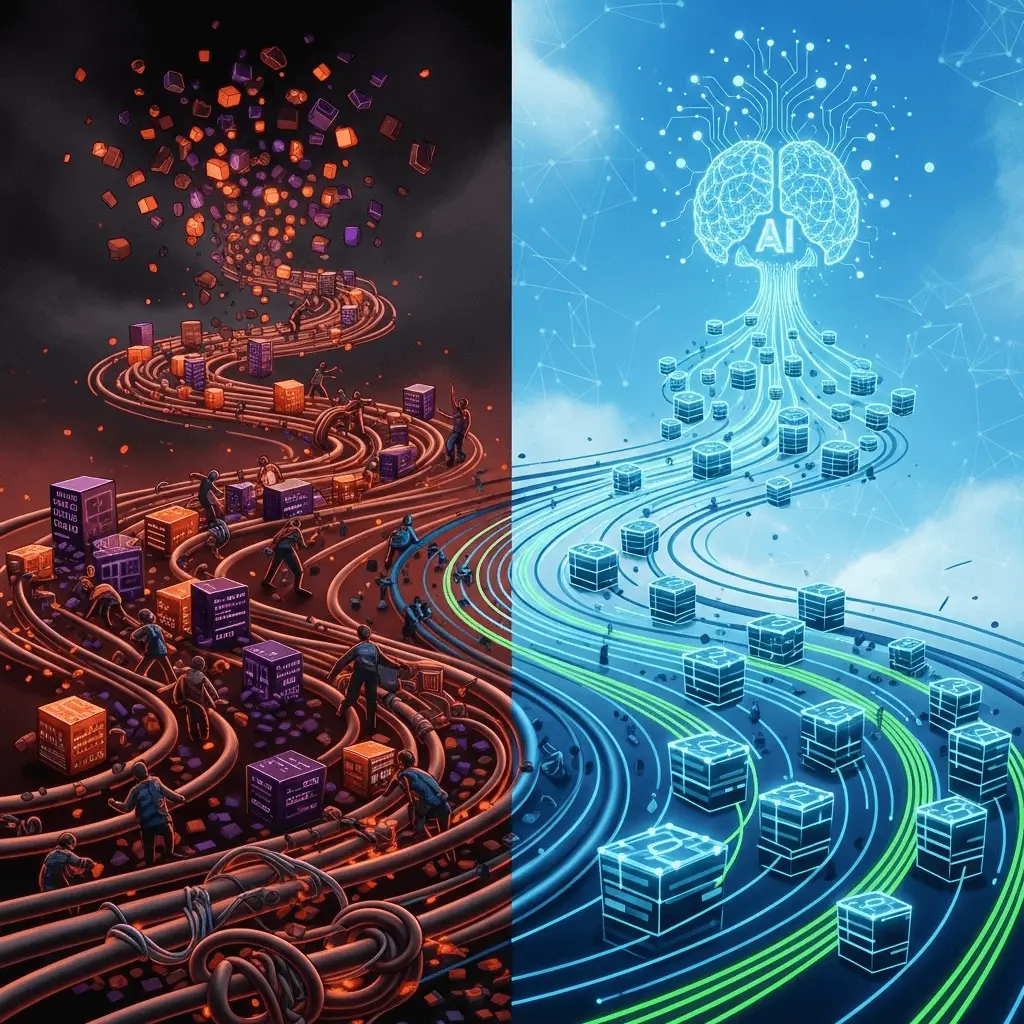
Outbound forces attention, while inbound earns attention.
2. Outbound Is Broad and Interruptive; Inbound Is Targeted and Permission-Based
Outbound marketing reaches large audiences—even those who have zero interest in the product.
This leads to higher costs and lower conversion rates.
Outbound characteristics:
- Mass communication
- Low personalization
- Paid channels dominate
- High competition for attention
Inbound characteristics:
- Content tailored to specific audiences
- People choose to engage
- Relies on trust and value
- More sustainable in the long term
Inbound marketing focuses on attracting the right people instead of trying to talk to everyone.
3. Outbound Has Short-Term Impact; Inbound Builds Long-Term Growth
Outbound campaigns can generate quick results, but once the ads stop, the traffic disappears.
Outbound provides:
- Fast results
- Immediate visibility
- Short-term impact
Inbound provides:
- Evergreen content that attracts for years
- Stronger customer relationships
- Long-term ROI and organic growth
Inbound marketing is an investment that keeps delivering value over time.
4. Outbound Relies on Budget; Inbound Relies on Creativity and Value
Outbound success heavily depends on how much money the brand can spend on exposure.
When the budget ends, the visibility ends too.
Inbound success comes from:
- Quality content
- SEO optimization
- Helpful resources
- Strong engagement
Inbound marketing reduces dependency on ads and creates a stable organic presence.
5. Outbound Talks at the Audience; Inbound Talks With the Audience
The communication style is completely different.
Outbound:
- One-way communication
- Sales-focused messaging
- Limited interaction
- Interruptive tone
Inbound:
- Two-way communication
- Encourages engagement and conversations
- Builds trust through value
- Customer-focused tone
Inbound marketing creates a dialogue rather than a monologue.
Conclusion
Outbound and inbound marketing each play an important role, but they serve different purposes. Outbound spreads messages quickly and broadly, while inbound nurtures long-term organic relationships built on trust and value. When businesses understand these differences, they can craft marketing strategies that are smarter, more targeted, and more cost-effective. In many cases, the best approach is a balanced combination of both, using outbound for visibility and inbound for long-lasting customer engagement.