



























































































7 Cybersecurity Best Practices Every Business Needs in 2026


In today’s rapidly evolving digital landscape, the need for robust cybersecurity measures has never been more critical. Organizations face increasingly sophisticated threats that can compromise sensitive data, disrupt operations, and damage reputations.
Cybersecurity frameworks provide structured approaches to managing these risks effectively. As cyber threats continue to evolve, these frameworks are becoming essential roadmaps for organizations seeking to protect their digital assets and maintain compliance with regulations.
Table of Contents
Core Tools & Requirements
To effectively implement modern cybersecurity frameworks, organizations need several essential tools:
1. Vulnerability Management Systems: Tools like Nessus, Qualys, or OpenVAS to identify and address security weaknesses.
2. Security Information and Event Management (SIEM): Platforms such as Splunk, IBM QRadar, or ELK Stack for monitoring and analyzing security events.
3. Identity and Access Management (IAM): Solutions like Okta, OneLogin, or Microsoft Azure AD for controlling user access.
4. Endpoint Protection Platforms: Software such as CrowdStrike, Carbon Black, or Symantec for securing devices.
5. Network Security Tools: Firewalls, intrusion detection systems, and VPNs from vendors like Cisco, Palo Alto Networks, or Fortinet.
6. Governance, Risk, and Compliance (GRC) Tools: Platforms like MetricStream, LogicGate, or RSA Archer to manage regulatory compliance.
For smaller organizations, cloud-based security solutions offer more accessible alternatives with lower initial investment requirements.
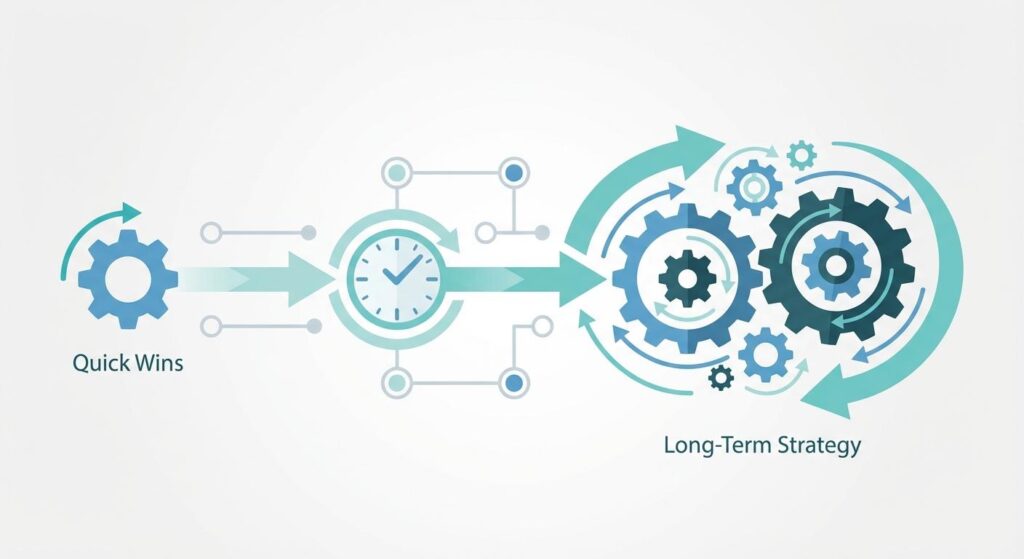
Implementation Timeline / Learning Curve

Implementing a comprehensive cybersecurity framework typically follows this timeline:
Initial Assessment and Planning: 1-3 months
Basic Implementation: 3-6 months
Full Integration: 6-12 months
Maturity and Optimization: 12+ months
The learning curve varies significantly based on organizational size, existing security posture, and framework complexity. NIST CSF may take 6-9 months to implement fully, while more comprehensive frameworks like ISO 27001 often require 12-18 months for certification.
Step-by-Step Implementation Guide

1. Conduct Risk Assessment: Identify valuable assets, potential threats, and existing vulnerabilities.
2. Select Appropriate Framework: Choose frameworks aligned with your industry, regulatory requirements, and organizational goals.
3. Develop Security Policies: Create comprehensive policies based on framework guidelines.
4. Implement Technical Controls: Deploy security tools and technologies to address identified risks.
5. Establish Cybersecurity Best Practices: Document and enforce standard procedures for security operations.
6. Conduct Employee cybersecurity training: Ensure all staff understand security responsibilities and recognize threats.
7. Monitor and Measure: Implement continuous monitoring to evaluate cybersecurity framework effectiveness.
8. Review and Improve: Regularly assess and update security measures based on new threats and changing business needs.
Key Benefits & Advantages
Implementing structured cybersecurity frameworks offers numerous advantages:
1. Enhanced Risk Management: Systematic approach to identifying and mitigating security risks.
2. Regulatory Compliance: Streamlined adherence to industry regulations and standards.
3. Improved Incident Response: Faster, more effective reactions to security incidents.
4. Business Continuity: Reduced downtime and operational disruptions from cyber incidents.
5. Competitive Advantage: Demonstrated security commitment can differentiate your organization.
6. Cost Efficiency: Proactive security measures typically cost less than breach recovery.
Tips, Use Cases & Best Practices
– Financial Services: Implement layered defense strategies with emphasis on data encryption and access controls.
– Healthcare: Focus on patient data protection with regular security assessments and strict access management.
– Manufacturing: Prioritize operational technology (OT) security alongside IT security measures.
– Small Businesses: Start with cloud-based security solutions and focus on basics like authentication and backup.
– Consider Framework Integration: Combine elements from multiple frameworks (NIST CSF for structure, CIS Controls for technical guidance).
– Customize Implementation: Adapt frameworks to your specific industry needs and organizational structure.
Common Mistakes to Avoid

1. Treating Frameworks as Checklists: Frameworks should guide ongoing processes, not one-time implementations.
2. Neglecting Human Factors: Technology alone cannot secure an organization without proper training and culture.
3. Implementing Too Many Controls: Focus on the most impactful controls rather than overwhelming staff with procedures.
4. Ignoring Supply Chain Risks: Extend security requirements to vendors and partners accessing your systems.
5. Failing to Update: Cybersecurity is ever-evolving; frameworks must be regularly reviewed and updated.
Maintenance, Updates & Long-Term Usage
Effective cybersecurity framework maintenance requires:
– Annual Comprehensive Reviews: Assess overall security posture and framework alignment.
– Quarterly Control Testing: Verify that security controls remain effective.
– Monthly Vulnerability Scanning: Identify and address new technical vulnerabilities.
– Continuous Threat Monitoring: Stay alert to emerging threats relevant to your industry.
– Regular Staff Training: Update employee knowledge as threats evolve.
– Documentation Management: Maintain current policies, procedures, and incident response plans.
Conclusion
Cybersecurity frameworks provide essential structure for organizations navigating the complex threat landscape. By following established methodologies, businesses can systematically address vulnerabilities, prepare for incidents, and demonstrate due diligence to stakeholders. The journey toward implementing a robust cybersecurity framework is continuous, requiring ongoing commitment and adaptation. As cyber threats continue to evolve, organizations that invest in comprehensive employee cybersecurity training and maintain disciplined security practices will be best positioned to protect their critical assets and operations.
FAQs
Which cybersecurity framework is best for small businesses?
The NIST Cybersecurity Framework is often recommended for small businesses due to its flexibility, clear guidance, and scalable approach that allows implementation without extensive resources.
How often should cybersecurity frameworks be updated?
Organizations should review their framework implementation quarterly and conduct a comprehensive assessment annually. Additionally, significant business changes or major security incidents should trigger immediate reviews.
What’s the relationship between cybersecurity frameworks and compliance requirements?
Frameworks provide structured approaches to security that often align with or exceed regulatory requirements. Implementing a robust framework typically supports compliance with regulations like GDPR, HIPAA, or PCI DSS.
Can different cybersecurity frameworks be used together?
Yes, many organizations implement multiple frameworks simultaneously or create hybrid approaches. For example, using NIST CSF for overall structure while applying ISO 27001 for specific controls and CIS benchmarks for technical configurations.
What resources are needed for successful framework implementation?
Successful implementation requires executive sponsorship, dedicated security personnel, appropriate technology investments, staff training resources, and ongoing budget allocation for maintenance and improvements.