























































































5 Data-Driven Business Decisions That Drive Growth

In today’s rapidly evolving business landscape, organizations are increasingly turning to predictive analytics to gain competitive advantages. This powerful approach to data analysis allows companies to anticipate future trends, customer behaviors, and potential risks before they materialize. Data-Driven Business Decisions have become essential for companies seeking to thrive in uncertain markets, with predictive analytics serving as the cornerstone of these strategies.
By leveraging historical data and statistical algorithms, businesses can now forecast outcomes with remarkable accuracy, transforming how they operate and plan for the future.
Table of Contents
Core Tools & Requirements
To implement effective predictive analytics in your business, you’ll need several key tools and technologies:
1. Statistical Software: Platforms like R, Python (with libraries like scikit-learn), or SPSS provide the computational foundation.
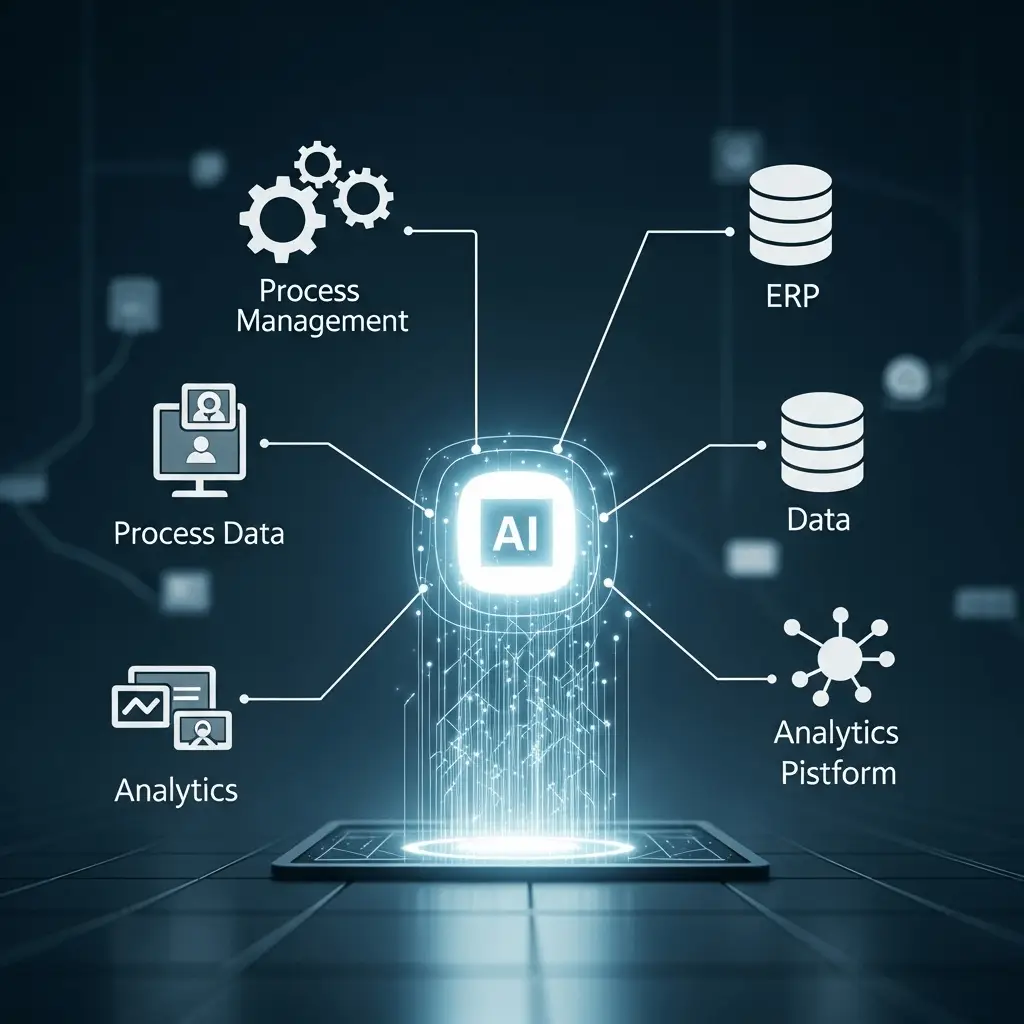
2. Data Management Systems: SQL databases, data warehouses, or big data solutions like Hadoop are essential for storing and organizing large datasets.
3. Visualization Tools: Tableau, Power BI, or Google Data Studio help translate complex findings into understandable visuals.
4. Machine Learning Platforms: TensorFlow, Azure Machine Learning, or Google Cloud AI offer advanced predictive capabilities.
5. Data Collection Mechanisms: CRM systems, web analytics, ERP systems, or IoT sensors provide the raw data needed for analysis.
6. Industry-Specific Solutions: Many sectors have specialized predictive analytics tools designed for their unique challenges.
For beginners, user-friendly options like IBM Watson Analytics or RapidMiner provide accessible entry points with lower technical barriers.
Implementation Timeline / Learning Curve

Implementing predictive analytics typically follows this timeline:
For Beginners (3-6 months):
– Learning basic statistical concepts and tool operations (1-2 months)
– Building simple predictive models (1-2 months)
– Implementing initial predictions into business processes (1-2 months)
For Advanced Implementation (6-18 months):
– Developing comprehensive data infrastructure (2-4 months)
– Creating sophisticated predictive models (2-6 months)
– Full integration with business operations (2-8 months)
– Continuous refinement and optimization (ongoing)
The learning curve steepens considerably when implementing advanced techniques like deep learning or complex ensemble models.
Step-by-Step Implementation Guide

1. Define Clear Business Objectives: Identify specific problems predictive analytics will solve in your organization.
2. Audit Available Data: Catalog existing data sources and identify gaps that need filling.
3. Prepare Your Data Infrastructure: Establish systems to collect, clean, and store data effectively.
4. Build Your Analytics Team: Hire or train data scientists, analysts, and Business Intelligence specialists.
5. Develop Initial Models: Create prototype predictive models aligned with your business goals.
6. Test and Validate: Rigorously test model accuracy using historical data and controlled experiments.
7. Implement Predictions: Integrate predictive insights into operational decision-making processes.
8. Monitor Performance: Continuously track how well your predictions match actual outcomes.
The most successful predictive analytics initiatives start with clear business problems rather than technology-first approaches. Making Data-Driven Business Decisions requires both technical expertise and business acumen working in harmony.
Key Benefits & Advantages
Implementing predictive analytics offers numerous competitive advantages:
– Improved Decision Making: Replace gut feelings with statistically sound predictions
– Cost Reduction: Anticipate and prevent inefficiencies and failures
– Revenue Growth: Identify new opportunities and optimize pricing strategies
– Enhanced Customer Experience: Personalize interactions based on predicted preferences
– Risk Mitigation: Forecast and prepare for potential threats or market changes
– Operational Efficiency: Optimize resource allocation based on predicted demands
Tips, Use Cases & Best Practices
For Small Businesses:
– Start with a single high-impact use case like customer churn prediction
– Leverage cloud-based tools to minimize infrastructure costs
– Partner with analytics consultants for initial implementation
For Enterprises:
– Establish a center of excellence for predictive analytics
– Develop governance frameworks for ethical and compliant analytics
– Create cross-functional teams to maximize adoption and impact
Industry-Specific Applications:
– Retail: Inventory optimization, personalized recommendations
– Manufacturing: Predictive maintenance, supply chain optimization
– Healthcare: Patient outcome prediction, resource allocation
– Financial Services: Fraud detection, risk assessment, customer segmentation
Common Mistakes to Avoid
1. Neglecting Data Quality: Poor-quality data leads to unreliable predictions
2. Overcomplicating Models: Complex models aren’t always better than simpler ones
3. Ignoring Business Context: Technical excellence without business relevance wastes resources
4. Failing to Test Assumptions: Unchallenged biases can lead to skewed results
5. Expecting Perfect Predictions: All models have limitations and uncertainty
6. Neglecting Model Maintenance: Models degrade over time without proper updating
Maintenance, Optimization & Long-Term Strategy
Sustaining predictive analytics success requires:
1. Regular Model Retraining: Update models with new data to maintain accuracy
2. Performance Monitoring: Track key metrics to ensure predictions remain valuable
3. Expanding Use Cases: Gradually apply predictive techniques to additional business areas
4. Capability Enhancement: Continuously improve your team’s skills and tools
5. Stakeholder Engagement: Maintain executive support through clear ROI communication
6. Ethical Oversight: Regularly review models for fairness, bias, and compliance issues
Conclusion
Predictive analytics has evolved from a competitive advantage to a business necessity in today’s data-rich environment. By systematically implementing these capabilities, organizations can anticipate changes, identify opportunities, and mitigate risks before they impact the bottom line. Data-Driven Business Decisions powered by predictive analytics enable organizations to move from reactive to proactive strategies, fundamentally changing how they operate. As technologies continue to evolve, the businesses that develop strong Business Intelligence capabilities built on predictive insights will be best positioned to thrive in an increasingly complex business landscape.
FAQs
How much data do I need to start with predictive analytics?
While more data generally produces better results, you can begin with modest datasets if they’re high-quality and relevant. Start with at least several hundred observations for simple models, though complex predictions may require thousands or millions of data points.
Do I need a data scientist to implement predictive analytics?
For basic implementations, business analysts with statistical training can utilize user-friendly tools. However, complex predictive modeling benefits significantly from professional data scientists who understand the mathematical foundations and can customize solutions.
How accurate are predictive analytics models?
Accuracy varies widely based on the problem complexity, data quality, and model sophistication. Many business applications achieve 70-85% accuracy, which provides substantial value over guesswork, though perfect predictions are unrealistic.
What’s the difference between descriptive and predictive analytics?
Descriptive analytics explains what happened in the past through data summarization and visualization. Predictive analytics forecasts what might happen in the future based on patterns identified in historical data.
How do I measure ROI from predictive analytics initiatives?
Track metrics directly tied to your business objectives, such as reduced costs from preventive maintenance, increased revenue from optimized marketing, or improved efficiency from better resource allocation. Compare outcomes against previous performance or control groups whenever possible.