





















































































AI in Business Operations: 5 Ways to Streamline Your Company

The business landscape is rapidly evolving, with technological advancements reshaping how companies operate, compete, and deliver value. Among these transformative forces, AI in Business Operations stands as perhaps the most significant catalyst for change in the modern corporate environment. Organizations across industries are leveraging artificial intelligence to streamline workflows, enhance decision-making, and create unprecedented efficiencies.
The integration of AI technologies into everyday business functions has moved from experimental to essential, with 37% of businesses now implementing some form of AI in their operations according to recent industry reports.
Table of Contents
Core Tools & Requirements
To effectively implement AI in business processes, organizations need access to several key components:
1. Data Infrastructure – Cloud storage solutions and data warehouses capable of handling large volumes of structured and unstructured data
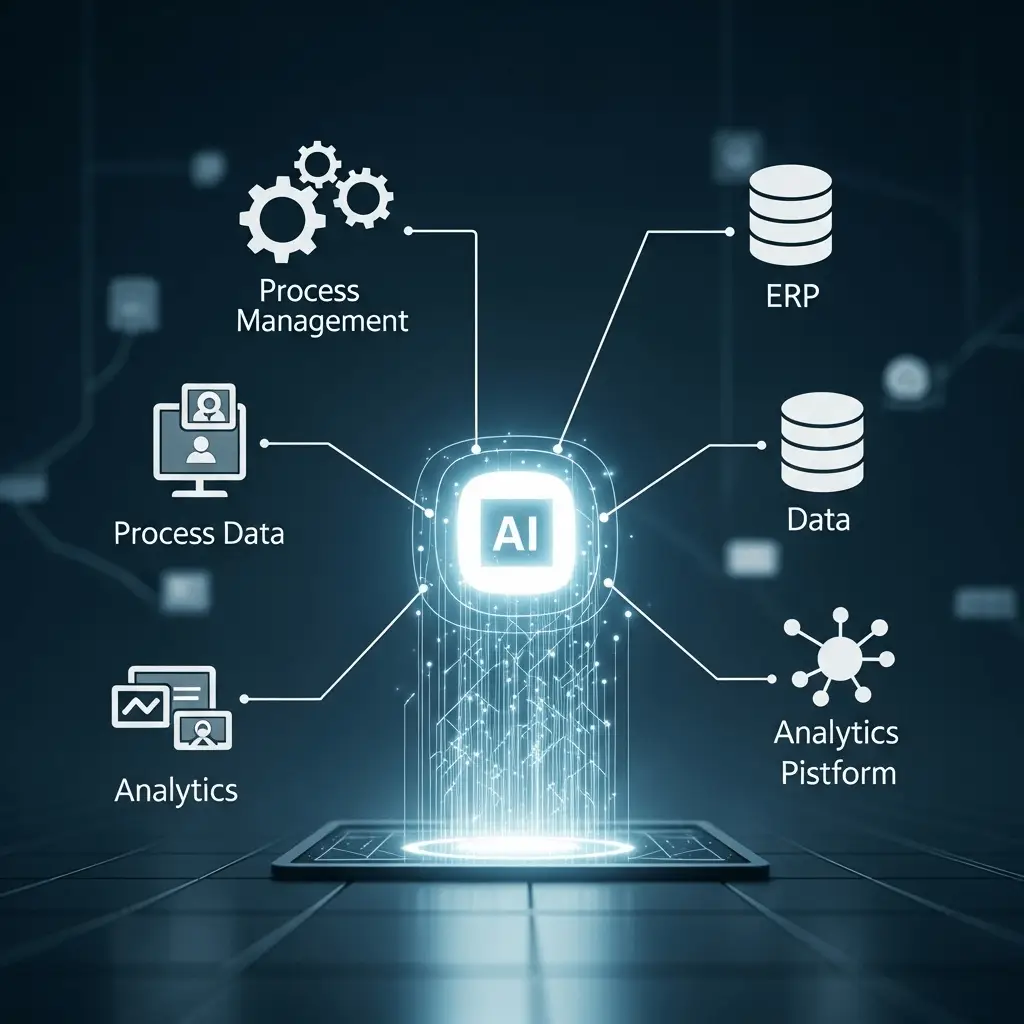
2. AI Development Platforms – Tools like TensorFlow, PyTorch, or enterprise AI platforms from Microsoft, Google, or Amazon
3. Integration Tools – APIs and middleware that connect AI systems with existing business applications
4. Skilled Personnel – Data scientists, AI engineers, and business analysts who understand both the technology and business contexts
5. Computing Resources – Access to sufficient processing power, either on-premise or cloud-based
6. Governance Framework – Policies and procedures for responsible AI development and deployment
For smaller businesses, ready-made AI solutions like Salesforce Einstein, HubSpot’s AI tools, or industry-specific AI applications offer entry points with lower technical barriers.
Implementation Timeline / Learning Curve

The timeline for AI implementation varies significantly based on organizational readiness and project complexity:
Beginner Level (3-6 months):
– Implementing pre-built AI solutions for specific functions
– Training staff on basic AI concepts and applications
– Establishing initial data collection and management practices
Intermediate Level (6-12 months):
– Developing customized AI solutions for specific business challenges
– Building internal AI capabilities and expertise
– Integrating AI tools across multiple business functions
Advanced Level (1-3 years):
– Creating comprehensive, enterprise-wide AI strategies
– Developing proprietary AI models and systems
– Transforming core business processes through AI-driven automation
Step-by-Step Implementation Guide

1. Assess Business Needs and Opportunities
– Identify specific processes that could benefit from AI in Business Operations
– Calculate potential ROI and set clear success metrics
– Prioritize use cases based on feasibility and impact
2. Evaluate Data Readiness
– Audit existing data sources and quality
– Establish data governance policies
– Implement necessary data collection and storage systems
3. Select Appropriate AI Solutions
– Decide between build vs. buy approaches
– Evaluate vendor solutions or development frameworks
– Consider how AI-driven automation can address specific needs
4. Pilot Implementation
– Start with small-scale projects to prove concept
– Gather feedback and measure initial results
– Refine approach based on early learnings
5. Scale and Integrate
– Expand successful pilots across departments
– Integrate AI solutions with existing systems
– Train employees on new processes and tools
Key Benefits & Advantages
The strategic implementation of AI offers businesses multiple advantages:
1. Enhanced Efficiency – AI systems can process routine tasks 24/7 with 40-60% greater efficiency than manual processes
2. Cost Reduction – Organizations report 15-25% operational cost savings through AI automation
3. Improved Decision Making – AI-powered analytics provide deeper insights, with 76% of executives citing better decision-making as a primary benefit
4. Customer Experience Enhancement – AI enables personalization at scale, with potential revenue increases of 10-15%
5. Competitive Advantage – Early AI adopters are outperforming industry peers by 5-10% in profitability metrics
Tips, Use Cases & Best Practices
For Small Businesses:
– Start with turnkey AI solutions for customer service or marketing
– Consider AI-powered CRM systems to enhance customer relationships
– Leverage AI for market research and competitor analysis
For Enterprise Organizations:
– Implement AI for supply chain optimization and predictive maintenance
– Develop comprehensive AI governance frameworks
– Use AI to enhance product development and innovation processes
Cross-Industry Best Practices:
– Ensure human oversight of AI systems
– Continuously monitor and evaluate AI performance
– Maintain transparency in how AI makes decisions
Common Mistakes to Avoid
1. Implementing AI Without Clear Objectives – Define specific business problems before seeking AI solutions
2. Neglecting Data Quality – Poor data leads to poor AI performance; invest in data cleansing and management
3. Underestimating Change Management – AI implementation requires significant cultural adaptation
4. Over-Relying on Technology – Balance AI capabilities with human expertise and oversight
5. Ignoring Ethical Considerations – Failing to address bias, privacy, and transparency can damage reputation and compliance
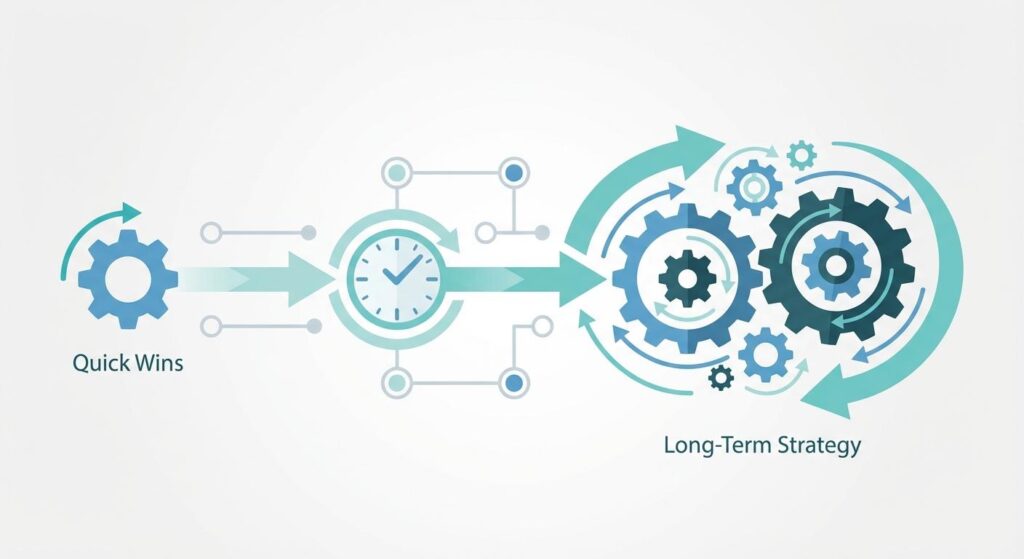
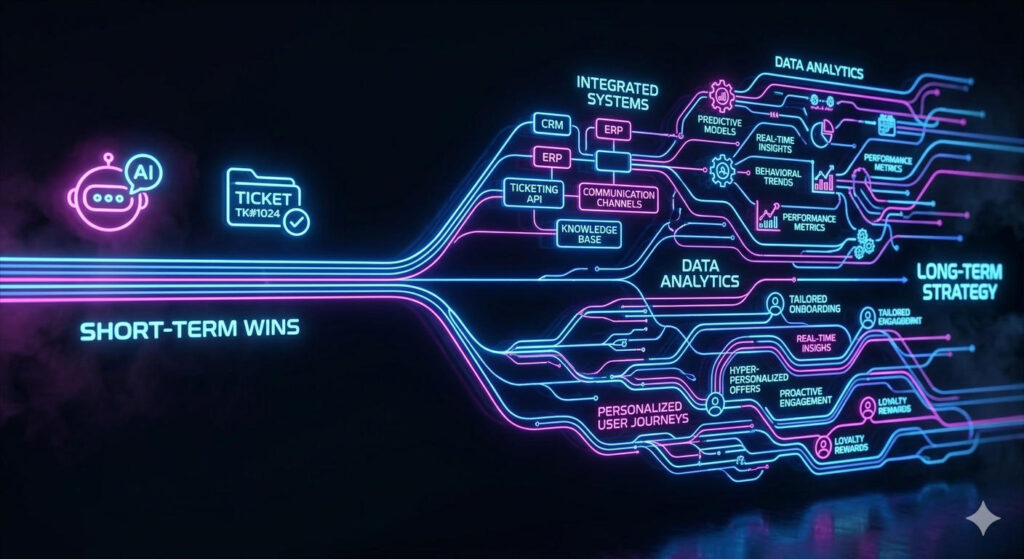
Maintenance, Optimization & Long-Term Strategy
Sustaining AI implementation requires:
1. Continuous Learning – Update AI models regularly with new data
2. Performance Monitoring – Track AI system performance against KPIs
3. Adaptation – Refine approaches based on evolving business needs
4. Scalability Planning – Design systems that can grow with your business
5. Integration Roadmap – Chart a course for connecting disparate AI initiatives
Consider establishing an AI Center of Excellence to maintain standards and share best practices across the organization.
Conclusion
The transformative potential of AI in Business Operations is undeniable, offering organizations unprecedented opportunities to innovate, optimize, and compete in the digital economy. By taking a strategic, measured approach to implementation, businesses of all sizes can harness AI’s capabilities while minimizing risks and challenges. The journey toward AI-driven automation requires commitment and thoughtful planning, but the potential rewards—enhanced efficiency, reduced costs, better decision-making, and improved customer experiences—make it an essential consideration for forward-thinking business leaders.
FAQs
How much budget should a small business allocate to AI implementation?
Small businesses should start with modest investments, typically allocating 5-10% of their IT budget for initial AI projects, focusing on solutions with clear ROI potential.
What types of business data are most valuable for AI applications?
Customer interaction data, operational metrics, financial information, and market intelligence typically provide the highest value for initial AI applications.
How can businesses address employee concerns about AI replacing jobs?
Focus on how AI augments human capabilities rather than replaces them, invest in retraining programs, and involve employees in the implementation process to build understanding and buy-in.
What industries are seeing the fastest AI adoption rates?
Financial services, healthcare, retail, manufacturing, and logistics are currently experiencing the most rapid and transformative AI implementation.
How can we ensure our AI systems are making ethical decisions?
Establish clear ethical guidelines, implement diverse development teams, regularly audit AI systems for bias, and maintain human oversight of critical AI decisions.