













































































50+ IoT Business Applications Transforming Industries Today

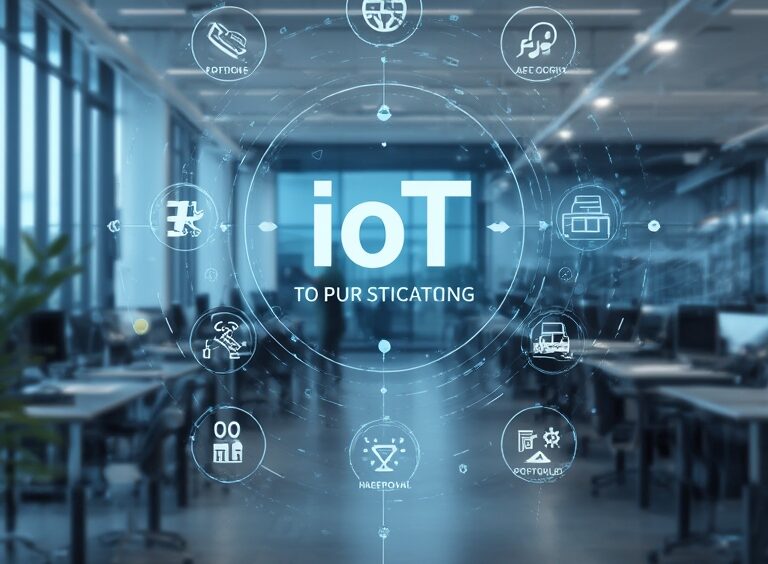
In today’s rapidly evolving digital landscape, businesses are constantly seeking innovative ways to streamline operations, enhance efficiency, and gain competitive advantage. One technology that has revolutionized business processes across industries is the Internet of Things (IoT). IoT Business Applications have transformed how companies collect data, monitor assets, and make strategic decisions. From retail to healthcare, manufacturing to agriculture, IoT’s potential for business growth and optimization is immense, particularly when considering specialized Industrial IoT Solutions designed for complex operational environments.
Table of Contents
Core Tools & Requirements
To effectively implement IoT in your business environment, several essential components are necessary:
1. IoT Devices/Sensors: The hardware that collects data from the physical environment (temperature sensors, proximity sensors, cameras, etc.)
2. Connectivity Infrastructure: Wi-Fi, Bluetooth, cellular networks, or specialized protocols like LoRaWAN
3. IoT Platform: Cloud-based software that manages device connectivity, data collection, and processing
4. Data Analytics Tools: Software that transforms raw IoT data into actionable insights
5. Security Solutions: Encryption, authentication, and other measures to protect IoT infrastructure
6. Integration Middleware: Tools to connect IoT systems with existing business applications (ERP, CRM, etc.)
For beginners, turnkey IoT solutions from providers like AWS IoT, Microsoft Azure IoT, or Google Cloud IoT offer simplified implementation with pre-configured components.
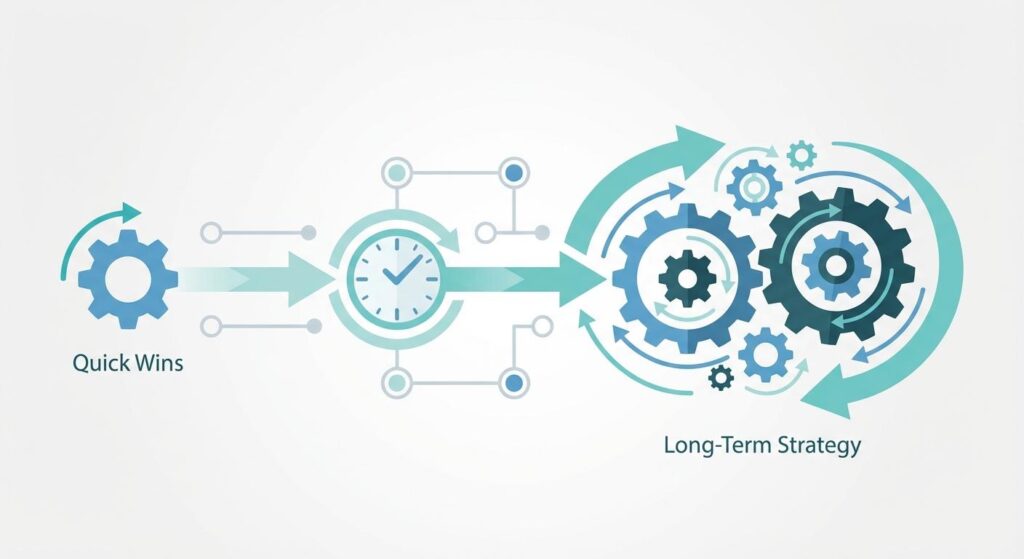
Implementation Timeline / Learning Curve

The timeline for IoT implementation varies significantly based on project complexity:
– Pilot Projects: 3-6 months for small-scale implementations with limited scope
– Department-Level Deployment: 6-12 months for solutions targeting specific business functions
– Enterprise-Wide Implementation: 1-3 years for comprehensive, integrated IoT ecosystems
For businesses new to IoT, starting with a focused pilot project is recommended to demonstrate value before scaling. Organizations with existing technical expertise may progress more rapidly, while those without dedicated IT resources might need external consultants to accelerate implementation.
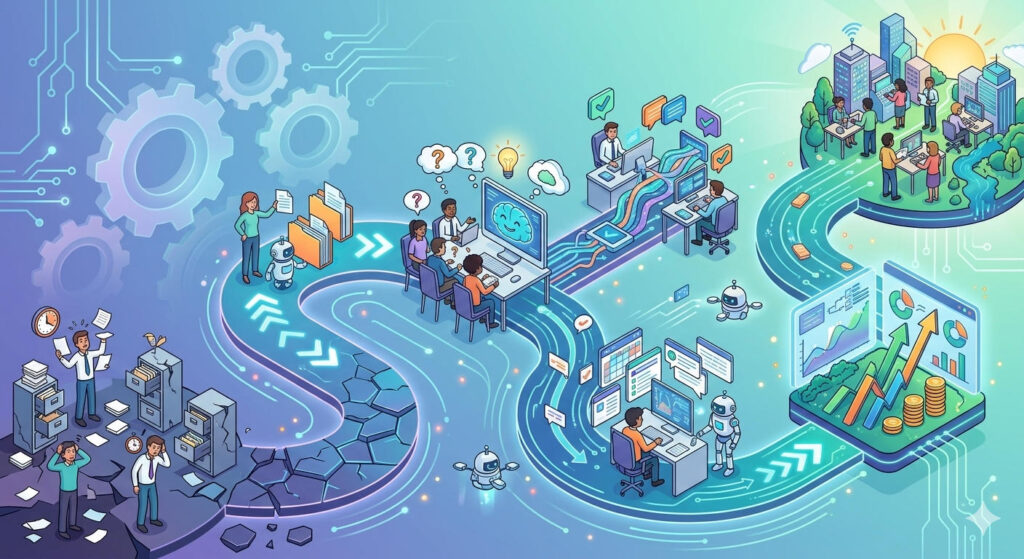
Step-by-Step Implementation Guide

1. Identify Business Objectives: Define specific problems that IoT Business Applications can solve
2. Conduct Technology Assessment: Evaluate existing infrastructure and identify required upgrades
3. Select Appropriate IoT Devices: Choose sensors and devices that capture relevant data
4. Build Connectivity Infrastructure: Implement the network required to support your IoT devices
5. Integrate Industrial IoT Solutions: Connect IoT systems with existing business applications
6. Implement Data Analytics: Deploy tools to transform collected data into actionable insights
7. Establish Security Protocols: Implement comprehensive security measures
8. Test and Validate: Thoroughly test the system before full deployment
9. Train Staff: Ensure employees understand how to use and benefit from the new technology
10. Monitor and Optimize: Continuously evaluate system performance and make improvements
Key Benefits & Advantages
Implementing IoT technology offers numerous business advantages:
– Enhanced Operational Efficiency: Automation of routine tasks reduces labor costs and minimizes errors
– Predictive Maintenance: Identifying potential equipment failures before they occur
– Data-Driven Decision Making: Real-time insights allow for faster, more informed decisions
– New Revenue Streams: IoT can enable new business models and service offerings
– Improved Customer Experience: Personalization and faster response to customer needs
– Cost Reduction: Optimized resource usage and reduced downtime
– Competitive Advantage: Staying ahead of industry trends through technological innovation
Tips, Use Cases & Best Practices
Industry-Specific Applications:
– Retail: Inventory tracking, personalized shopping experiences, smart shelves
– Manufacturing: Production line monitoring, quality control, supply chain visibility
– Healthcare: Remote patient monitoring, equipment tracking, facility management
– Agriculture: Precision farming, livestock monitoring, automated irrigation
Best Practices:
– Start with a clear business case and measurable objectives
– Prioritize interoperability when selecting IoT components
– Implement robust security protocols from the beginning
– Create a data management strategy before implementation
– Consider scalability requirements for future growth
Common Mistakes to Avoid
1. Neglecting Security: Failing to implement comprehensive security measures
2. Overlooking Scalability: Implementing solutions that cannot grow with business needs
3. Insufficient Planning: Rushing implementation without clear objectives and strategy
4. Ignoring Integration Needs: Not considering how IoT systems will work with existing technology
5. Underestimating Maintenance Requirements: Failing to account for ongoing support and updates
6. Data Overload: Collecting excessive data without a plan for analysis and application
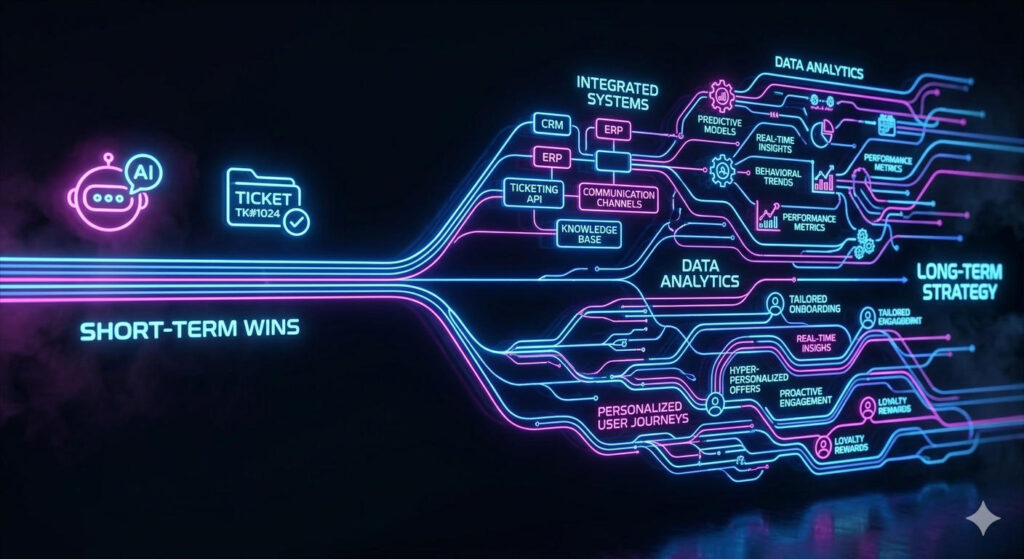
Maintenance, Optimization & Long-Term Strategy
For sustainable IoT implementation:
– Establish regular maintenance schedules for physical devices
– Monitor network performance and address connectivity issues promptly
– Regularly update firmware and software to address security vulnerabilities
– Implement data lifecycle management policies
– Review and refine analytics models to improve accuracy
– Develop a technology roadmap to guide future expansions and upgrades
– Create a dedicated team responsible for IoT infrastructure management
Conclusion
The transformative potential of IoT Business Applications continues to grow as technology advances and implementation costs decrease. By following a structured approach to implementation, businesses of all sizes can leverage IoT to improve operations, enhance customer experiences, and drive innovation. Whether you’re looking to optimize factory operations with specialized Industrial IoT Solutions or create smarter retail environments, IoT offers tangible benefits that can directly impact your bottom line. Start with clear objectives, implement thoughtfully, and continuously optimize to realize the full potential of this revolutionary technology.
FAQs
What is the typical ROI timeframe for IoT implementations?
Most businesses see ROI within 12-24 months for focused implementations. The timeframe varies based on project scope, industry, and specific use cases, with operational efficiency improvements typically yielding the fastest returns.
How can small businesses implement IoT with limited budgets?
Small businesses should start with targeted solutions addressing specific pain points, consider IoT-as-a-Service options to reduce upfront costs, and leverage cloud-based platforms that offer scalable pricing models.
What are the biggest security concerns with IoT implementations?
The primary security concerns include device vulnerabilities, insecure network connections, insufficient authentication protocols, and data privacy issues. Implementing encryption, regular security updates, and access controls is essential.
How does IoT implementation differ across industries?
While the fundamental technology remains similar, implementation priorities, regulatory requirements, and use cases vary significantly. Healthcare implementations focus heavily on security and compliance, manufacturing on operational efficiency, and retail on customer experience and inventory management.
What skills are needed for successful IoT implementation?
A successful implementation team typically requires expertise in hardware engineering, network architecture, data analytics, cybersecurity, cloud computing, and industry-specific knowledge to align technology with business objectives.