





















































































Machine Learning in Business: 5 Ways to Drive Growth


How To Implement Predictive Analytics For Modern Business Growth
In today’s data-driven landscape, businesses are increasingly turning to advanced analytical tools to gain competitive advantages. Machine Learning in Business has transformed from a futuristic concept to a practical necessity, enabling companies to predict trends, optimize operations, and personalize customer experiences. Particularly, predictive analytics stands at the forefront of this revolution, offering businesses the ability to anticipate future outcomes based on historical data patterns. This guide explores how organizations can effectively implement predictive analytics to drive growth, efficiency, and innovation.
Core Tools & Requirements
To successfully implement predictive analytics, businesses need several essential tools and resources:
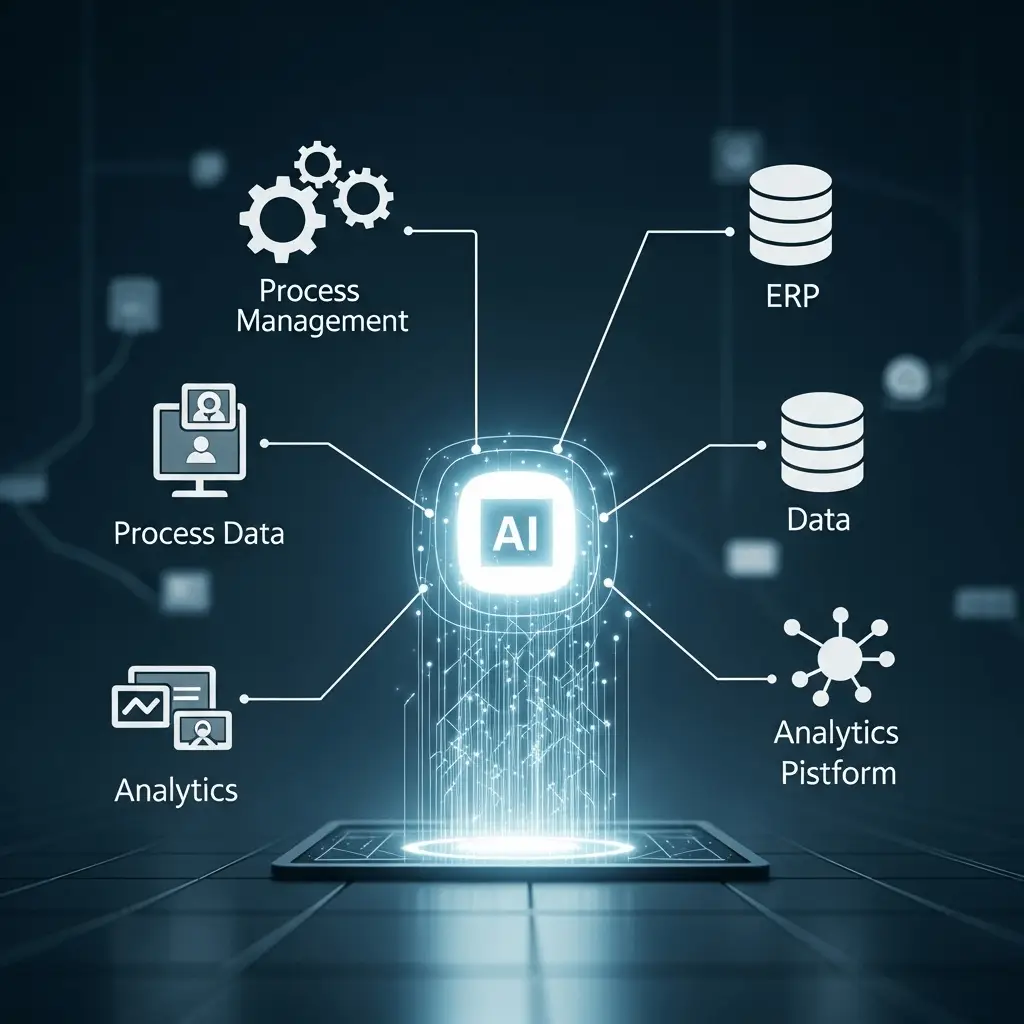
1. Data Collection Infrastructure: Cloud storage solutions, database management systems, and data warehousing tools like Amazon S3, Google BigQuery, or Snowflake.
2. Analytics Platforms: Python with libraries (NumPy, Pandas, Scikit-learn) or R for statistical analysis, alongside business intelligence tools like Tableau or Power BI.
3. Computing Resources: Sufficient processing power, potentially including cloud computing solutions like AWS, Google Cloud, or Azure.
4. Talent: Data scientists, analysts, and domain experts who understand both the technical and business aspects of predictive modeling.
5. Integration Tools: APIs and middleware solutions to connect predictive models with existing business systems and AI Business Automation workflows.
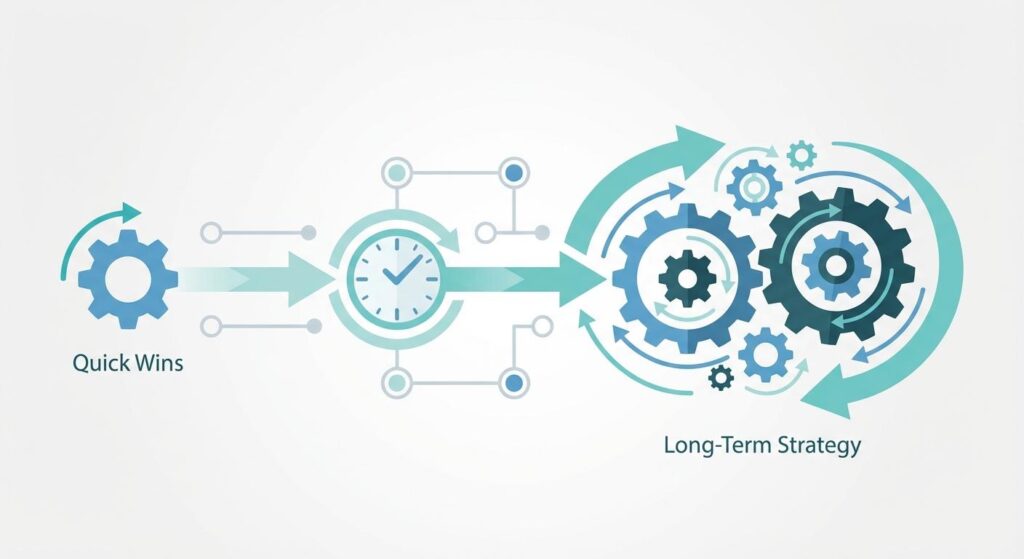
Implementation Timeline / Learning Curve

The implementation timeline for predictive analytics varies significantly based on organizational readiness:
– Initial Setup: 1-3 months for data infrastructure establishment and team assembly
– Pilot Project: 2-4 months to develop and deploy a simple predictive model
– Enterprise-Wide Implementation: 6-18 months for comprehensive integration
Beginners should expect a steeper learning curve, potentially requiring external consultants or specialized training. Organizations with established data practices may accelerate this timeline significantly, especially when focusing on specific use cases rather than enterprise-wide deployment.
Step-by-Step Implementation Guide

1. Define Business Objectives: Identify specific problems predictive analytics will solve, ensuring alignment with organizational goals.
2. Data Assessment & Collection: Audit existing data sources, establish data quality protocols, and implement collection mechanisms for missing information.
3. Data Preparation: Clean, normalize, and structure data for analysis, addressing missing values and outliers.
4. Model Development: Create predictive models using appropriate algorithms based on your specific use case. Machine Learning in Business applications typically begin with simpler models before progressing to more complex approaches.
5. Validation & Testing: Verify model accuracy using historical data and appropriate metrics like precision, recall, or mean squared error.
6. Integration: Connect predictive models with business systems, potentially leveraging AI Business Automation to streamline deployment.
7. Training & Change Management: Ensure stakeholders understand how to interpret and act on predictive insights.
8. Monitoring & Refinement: Continuously evaluate model performance and refine as necessary.
Key Benefits & Advantages
Predictive analytics delivers numerous competitive advantages:
– Enhanced Decision-Making: Replace guesswork with data-driven insights
– Improved Resource Allocation: Optimize inventory, staffing, and capital expenditures
– Risk Reduction: Identify potential problems before they occur
– Personalized Customer Experiences: Deliver targeted offerings based on predicted preferences
– Operational Efficiency: Streamline processes and reduce waste
– Revenue Growth: Identify new opportunities and optimize pricing strategies
Tips, Use Cases & Best Practices
– Start Small: Begin with a focused use case that delivers measurable ROI
– Democratize Access: Make insights available to decision-makers across the organization
– Industry-Specific Applications:
– Retail: Demand forecasting and inventory optimization
– Financial Services: Credit risk assessment and fraud detection
– Healthcare: Patient readmission prediction and treatment optimization
– Manufacturing: Predictive maintenance and supply chain optimization
Common Mistakes to Avoid

1. Neglecting Data Quality: Poor input data inevitably leads to inaccurate predictions
2. Overcomplicating Models: Starting with excessive complexity often creates unnecessary challenges
3. Ignoring Interpretability: Stakeholders must understand predictions to trust and act on them
4. Insufficient Testing: Failing to validate models across diverse scenarios
5. Overlooking Ethical Considerations: Predictive models can perpetuate biases if not carefully designed
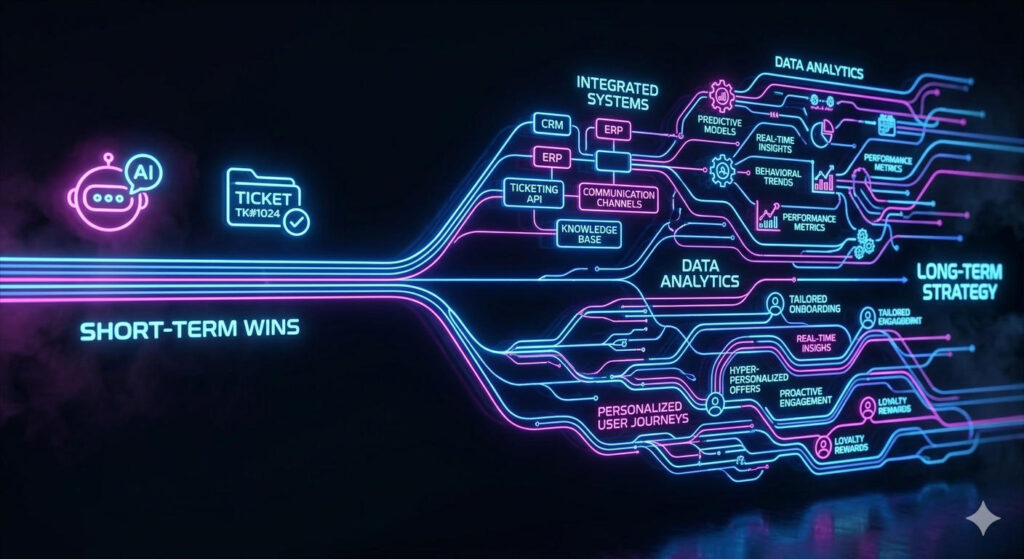
Maintenance, Optimization & Long-Term Strategy
Sustainable predictive analytics requires:
– Regular Model Retraining: Update models as new data becomes available
– Performance Monitoring: Track accuracy metrics and business outcomes
– Model Governance: Document methodologies, assumptions, and limitations
– Scalability Planning: Design architecture to accommodate growing data volumes and use cases
– Continuous Education: Keep team skills current with evolving techniques and technologies
Conclusion
Implementing predictive analytics represents a transformative opportunity for modern businesses seeking data-driven growth. By following a structured approach and avoiding common pitfalls, organizations can harness the power of Machine Learning in Business to gain valuable foresight into market trends, customer behaviors, and operational challenges. The journey requires investment in technology, talent, and processes, but delivers substantial competitive advantages when executed effectively. As AI Business Automation continues to evolve, predictive analytics will become increasingly accessible and powerful, making now the ideal time to begin your implementation journey.
FAQs
What types of businesses benefit most from predictive analytics?
While organizations of all sizes and industries can benefit, those with substantial data assets, complex operations, or customer-centric business models often see the most significant returns on investment.
How accurate are predictive analytics models?
Accuracy varies based on data quality, model complexity, and the nature of what’s being predicted. Well-designed models typically achieve 70-90% accuracy for many business applications.
What’s the minimum data volume needed for effective predictions?
This depends on the complexity of what’s being predicted, but generally, several thousand data points are needed for basic models, with more complex predictions requiring substantially larger datasets.
Can small businesses implement predictive analytics without data scientists?
Yes, many user-friendly tools and platforms now offer “no-code” or “low-code” predictive capabilities, though having some analytical expertise remains beneficial for interpretation and optimization.
How do we measure ROI from predictive analytics initiatives?
Track specific metrics tied to your business objectives, such as increased conversion rates, reduced operational costs, improved inventory turnover, or enhanced customer retention.