

























































































5 Fitness Tips to Boost Productivity and Mental Clarity


In today’s fast-paced professional world, the connection between physical wellbeing and workplace productivity has never been more evident. Many successful professionals are discovering that implementing regular Fitness Tips into their daily schedules isn’t just about maintaining physical health—it’s a strategic approach to enhancing mental clarity, boosting energy levels, and improving overall work performance.
The modern workplace demands sustained focus and resilience, qualities that are significantly improved through consistent physical activity. As research continues to demonstrate the cognitive benefits of exercise, more companies are encouraging fitness as part of a comprehensive approach to employee wellness and productivity enhancement.
Table of Contents
Core Tools & Requirements
To establish an effective fitness routine that complements your professional life, you’ll need:
– Comfortable athletic shoes and appropriate workout attire
– A fitness tracker or smartphone app to monitor progress
– Hydration system (water bottle or hydration pack)
– Access to exercise space (gym membership, home equipment, or outdoor areas)
– Basic equipment for home workouts (resistance bands, light dumbbells)
– Scheduling tool to block time for exercise sessions
– Optional: workout buddy or online fitness community for accountability
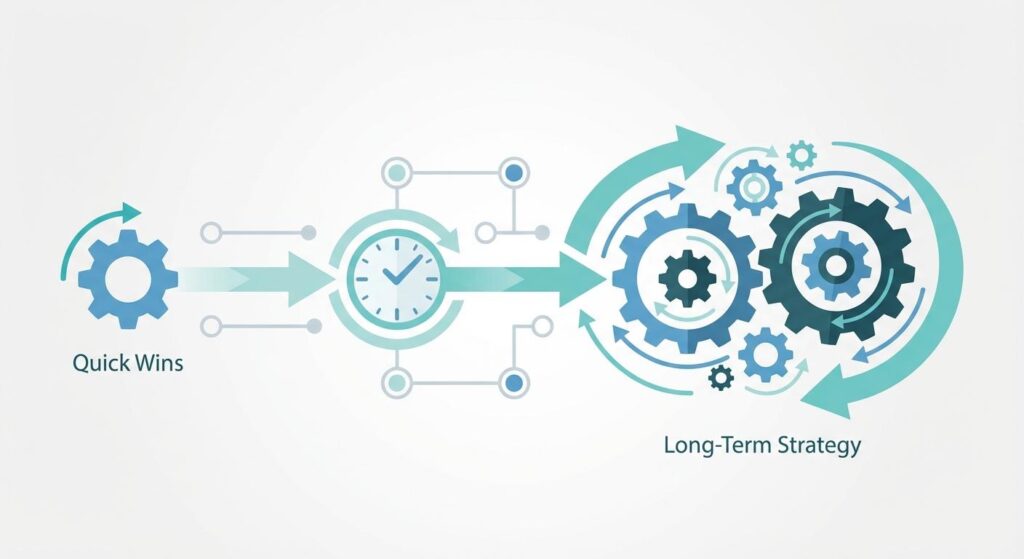
Implementation Timeline / Learning Curve

Integrating fitness into your professional lifestyle typically follows this timeline:
Weeks 1-2: Adjustment period with initial soreness and schedule conflicts
Weeks 3-4: Establishing routine consistency and noticing first energy improvements
Weeks 5-8: Experiencing noticeable productivity benefits and mental clarity
Months 3-6: Deeper integration with professional schedule and sustainable habits forming
6+ Months: Fitness becomes seamlessly woven into professional identity with clear performance benefits
Beginners should start with 2-3 sessions weekly, while advanced practitioners might maintain 4-6 sessions with varied intensity.
Step-by-Step Implementation Guide

1. Assessment: Evaluate your current fitness level and schedule constraints
2. Goal Setting: Establish clear, measurable objectives that complement your professional aims
3. Schedule Integration: Block dedicated time slots in your calendar for workout routines
4. Start Small: Begin with manageable 20-30 minute sessions that won’t overwhelm your schedule
5. Progressive Advancement: Gradually increase duration and intensity as your fitness improves
6. Routine Diversification: Incorporate a mix of cardio, strength, and flexibility exercises
7. Track and Measure: Document both fitness progress and corresponding workplace performance improvements
8. Apply Fitness Tips: Implement professional-specific exercises that target issues like posture or eye strain
The key is creating sustainable patterns that enhance rather than compete with your professional responsibilities.
Key Benefits & Advantages
– Enhanced Cognitive Function: Research shows exercise improves memory, problem-solving, and creative thinking
– Improved Stress Management: Regular activity reduces cortisol levels, improving resilience to workplace pressure
– Energy Optimization: Properly timed workouts can provide energy boosts during productivity slumps
– Better Sleep Quality: Consistent exercise improves sleep, leading to better next-day performance
– Reduced Sick Days: Strengthened immune system leads to fewer absences and higher productivity
– Improved Confidence: Physical accomplishments often translate to greater professional assertiveness
Tips, Use Cases & Best Practices
– Morning Routines: Complete workouts before work to set a productive tone for the day
– Lunch Break Movement: Use 15-20 minutes of lunch breaks for quick, refreshing activity
– Meeting Alternatives: Suggest walking meetings for appropriate discussions
– Travel Adaptations: Develop simplified workout routines for business travel scenarios
– Workplace Integration: Utilize office stairs, standing desks, and microbreaks for movement
– Technology Leveraging: Use fitness apps that integrate with your professional scheduling tools
Common Mistakes to Avoid

– All-or-Nothing Thinking: Setting unsustainable workout schedules that quickly lead to abandonment
– Ignoring Recovery: Failing to incorporate rest days, leading to burnout or injury
– Poor Scheduling: Placing workouts at times that conflict with peak productivity periods
– Comparison Trap: Measuring yourself against colleagues with different fitness backgrounds
– Neglecting Adaptation: Failing to adjust routines during high-stress work periods
Maintenance, Optimization & Long-Term Habits
Sustaining a fitness-enhanced professional life requires:
– Quarterly reassessment of fitness goals aligned with career objectives
– Seasonal adjustments to accommodate changing work demands
– Building a repertoire of backup routines for busy periods
– Creating environmental triggers that reinforce exercise habits
– Developing a supportive community of like-minded professionals
– Celebrating the connection between fitness achievements and career wins
Conclusion
Incorporating regular fitness into your professional life represents one of the highest-return investments you can make in your career trajectory. By thoughtfully implementing Fitness Tips that complement rather than compete with your work responsibilities, you create a powerful foundation for sustained success. The cumulative effect of consistent physical activity extends far beyond physical appearance, directly enhancing the cognitive and emotional capabilities that define professional excellence. Start small, remain consistent, and watch as your carefully designed workout routines transform not just your health, but your entire professional performance.
FAQs
How quickly will I notice productivity benefits from a new fitness routine?
Most professionals report initial mental clarity benefits within 2-3 weeks of consistent exercise, with more substantial productivity improvements evident after 4-6 weeks.
What’s the minimum effective exercise duration for busy professionals?
Research suggests even 10-15 minute high-intensity sessions can provide cognitive benefits when performed consistently.
Can fitness activities replace networking events for professional development?
While not replacing traditional networking, fitness communities and group activities often create valuable professional connections in more authentic settings.
How should I adjust my routine during high-pressure work periods?
During intense work phases, shorter but more frequent movement breaks often provide better cognitive support than fewer, longer sessions.
Is it better to exercise before or after work hours?
This varies by individual—morning exercisers often report better day-long focus, while evening exercisers may experience better stress recovery, so experiment to find your optimal timing.