

























































































Easy Breakfast Recipes: 10 Quick & Delicious Morning Wins


In today’s fast-paced world, finding time for a nutritious breakfast can feel like an impossible challenge. Yet, starting your day with proper nourishment remains one of the most impactful habits for sustained energy and productivity. As our schedules grow increasingly hectic, easy breakfast recipes have become essential tools in maintaining health without sacrificing precious morning minutes. These accessible morning meals help establish consistent routines that pay dividends throughout your day, improving focus, stabilizing mood, and preventing mid-morning energy crashes.
Table of Contents
Core Tools & Requirements
Creating efficient morning meals requires minimal but strategic equipment:
– Blender or food processor: Essential for smoothies, batters, and quick purées
– Microwave-safe containers: Perfect for oatmeal, egg dishes, and reheating
– Mason jars or storage containers: Ideal for overnight preparations and portion control
– Basic pantry staples: Keep eggs, oats, nut butters, frozen fruits, and whole grain bread on hand
– Protein options: Greek yogurt, cottage cheese, tofu, or protein powder for vegetarians
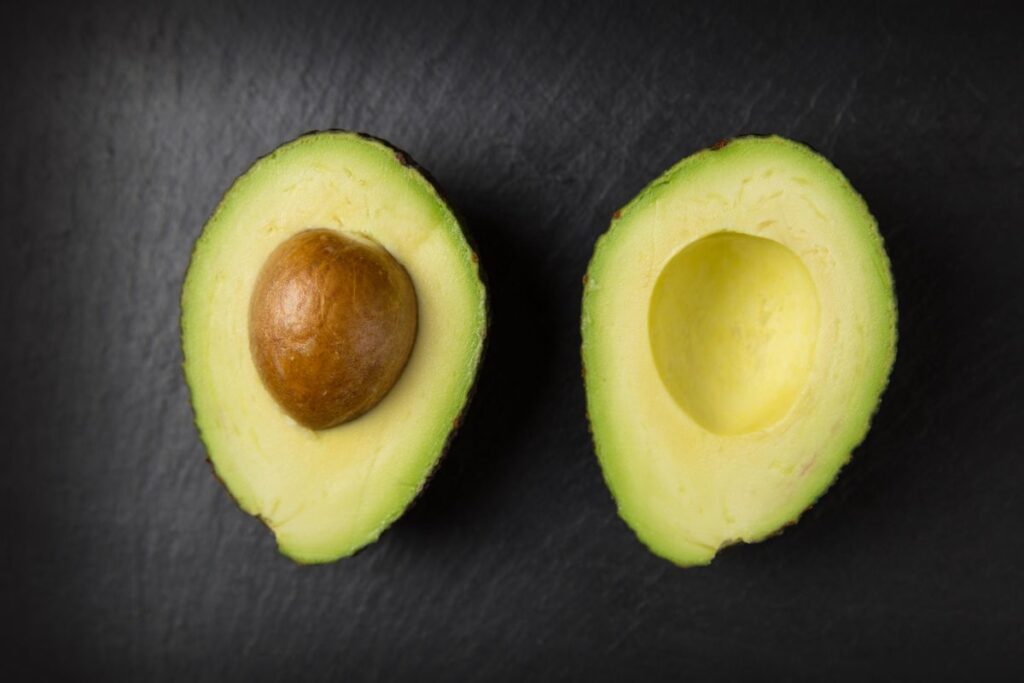
– Healthy fats: Avocado, nuts, seeds, and olive oil for satiety
– Time-saving alternatives: Pre-chopped fruits, frozen vegetables, and boiled eggs prepared in advance
Implementation Timeline / Preparation Time

The beauty of modern breakfast solutions lies in their flexibility:
– Under 5 minutes: Grab-and-go options like yogurt parfaits, prepared overnight oats, or pre-made smoothie packs
– 5-10 minutes: Quick scrambles, avocado toast, or microwaved egg muffins
– Weekend prep (15-30 minutes): Batch-prepared breakfast burritos, egg bites, or baked oatmeal squares that can be refrigerated or frozen
– Overnight preparations: Set aside 5-10 minutes in the evening to prepare breakfasts that develop flavor while you sleep
Step-by-Step Preparation Guide

1. Plan your week: Dedicate 15 minutes each weekend to outline 5-7 quick breakfast recipes for the coming days.
2. Prep ingredients in batches: Chop fruits, portion nuts, or prepare egg mixtures to streamline morning assembly.
3. Utilize overnight methods: Soak oats, chia seeds, or whole grains before bed for ready-to-eat morning meals.
4. Create freezer-friendly options: Prepare smoothie packs, breakfast sandwiches, or burritos that can be quickly reheated.
5. Implement the 3-component rule: Ensure each easy breakfast recipe includes protein, complex carbohydrates, and healthy fat.
6. Establish a rotation system: Alternate between 5-7 reliable breakfast options to maintain variety without requiring daily creativity.
Key Benefits & Advantages
Strategic morning meals provide numerous advantages:
– Metabolic boost: Eating within an hour of waking jump-starts your metabolism
– Improved cognitive function: Properly fueled brains demonstrate better focus and decision-making
– Stable blood sugar: Prevents mid-morning crashes that lead to unhealthy snacking
– Portion control: Structured breakfast routines help prevent overeating later in the day
– Family bonding: Even quick breakfast routines create opportunities for meaningful morning interactions
– Nutritional foundation: Morning meals make it easier to meet daily requirements for key nutrients
Tips, Variations & Best Practices
– Batch-cook proteins: Hard-boil a dozen eggs or prepare a sheet pan of breakfast sausage on weekends
– Create smoothie cubes: Freeze leftover smoothie in ice cube trays for quick blending
– Use appliances strategically: Program coffee makers, set slow cookers overnight, or use egg cookers for hands-off preparation
– Implement breakfast stations: Organize refrigerator sections with grab-and-go components for family members
– Repurpose leftovers: Transform dinner proteins and vegetables into morning hash or frittatas
– Practice visual planning: Use clear containers to keep prepared breakfast components visible and accessible
Common Mistakes to Avoid

– Relying exclusively on carbohydrates: Balance morning meals with protein and fat
– Skipping breakfast entirely: Even small morning nutrition helps regulate appetite hormones
– Over-complicating recipes: Start with 3-4 ingredient formulas before expanding your repertoire
– Ignoring preparation time: Be realistic about your morning schedule when planning recipes
– Neglecting hydration: Morning water intake is as important as food consumption
– Overloading on sugar: Watch hidden sugars in yogurts, granolas, and breakfast bars
Maintenance, Planning & Healthy Habits
Creating sustainable breakfast routines requires:
– Sunday prep sessions: 30-60 minutes of preparation for streamlined weekdays
– Strategic grocery shopping: Organize your list around breakfast staples and preparation methods
– Kitchen organization: Arrange pantry and refrigerator to prioritize breakfast components
– Seasonal adaptations: Rotate ingredients based on availability and nutritional needs
– Family involvement: Teach children simple preparation methods appropriate for their age
– Progress tracking: Note which methods and recipes consistently work with your lifestyle
Conclusion
Incorporating easy breakfast recipes into your daily routine doesn’t require culinary expertise or extensive time investments—just thoughtful planning and simple preparation techniques. By prioritizing nutritious morning meals, you establish a foundation for healthier eating habits throughout the day while supporting your body’s energy needs. Whether you prefer make-ahead options or quick breakfast recipes that can be assembled in minutes, the key lies in finding sustainable approaches that align with your lifestyle and nutritional goals.
FAQs
How far in advance can I prepare make-ahead breakfasts?
Most refrigerated breakfast preparations last 3-5 days, while frozen options remain good for 1-3 months depending on ingredients. Date your containers and follow proper food safety guidelines.
Are breakfast smoothies nutritionally complete meals?
Smoothies can be complete meals when they include protein (yogurt, protein powder, nut butter), fiber (fruits, vegetables, oats), and healthy fats (avocado, seeds). Avoid fruit-only smoothies that may spike blood sugar.
What are the best breakfast options for weight management?
Focus on high-protein, high-fiber combinations like egg-vegetable scrambles, Greek yogurt with berries and seeds, or savory oatmeal with nuts. These provide lasting satiety with moderate calorie counts.
How can I encourage children to eat healthy breakfasts?
Involve children in preparation, create colorful presentations, use cookie cutters for fun shapes, and implement a “build-your-own” approach with healthy component choices to encourage ownership.
Can coffee or tea replace breakfast?
While caffeinated beverages may temporarily suppress appetite, they don’t provide the nutrients needed for optimal brain function and energy. Consider adding nutritional components to your morning beverage if time is limited.