






















































































Quick Breakfast Meals: 5 Fast & Flavorful Ideas


The morning rush can make or break your entire day. Between hitting the snooze button, preparing for work, and potentially getting children ready for school, breakfast often becomes an afterthought. Yet, nutritionists consistently emphasize that a balanced morning meal is crucial for kickstarting metabolism, improving concentration, and providing sustained energy. In today’s fast-paced world, mastering quick breakfast meals has become essential for maintaining both health and productivity without sacrificing precious morning minutes. With the right approach, you can transform your morning routine from chaotic to nourishing without extensive cooking time.
Table of Contents
Core Tools & Requirements
To efficiently prepare morning meals, having the right tools on hand makes all the difference:
– High-speed blender: Perfect for smoothies, batters, and purees
– Toaster or toaster oven: For quick bread-based meals
– Microwave: Essential for fast reheating and cooking
– Mason jars: Ideal for overnight oats and pre-portioned ingredients
– Meal prep containers: For preparing components in advance
– Egg cooker: Prepares multiple eggs consistently with minimal effort
Essential pantry items:
– Rolled oats
– Nut butters
– Seeds (chia, flax, hemp)
– Frozen fruits
– Greek yogurt
– Eggs
– Whole grain bread
– Honey or maple syrup
– Plant-based milk alternatives
Implementation Timeline / Preparation Time

Time management is crucial for morning meals. Consider these realistic timeframes:
5-minute options:
– Pre-made smoothie (blend frozen ingredients with liquid)
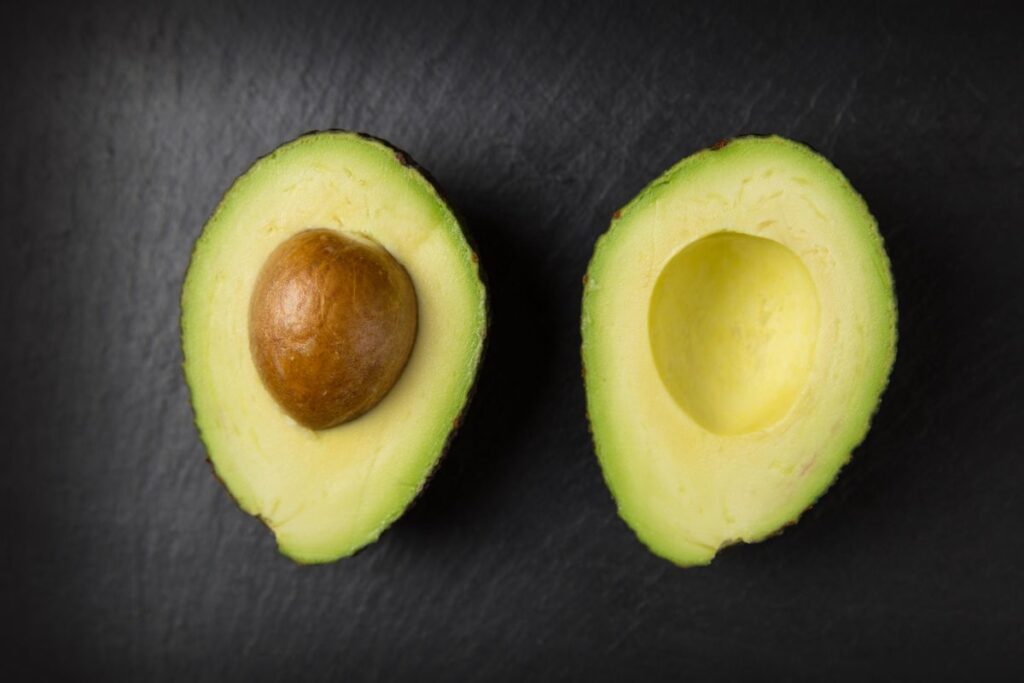
– Toast with avocado and pre-boiled egg
– Overnight oats (prepared the previous evening)
– Greek yogurt with prepared fruit and granola
10-15 minute options:
– Simple egg scramble with pre-chopped vegetables
– Breakfast quesadilla
– Oatmeal with fresh toppings
– Protein pancakes from premixed batter
For maximum efficiency, invest 30-60 minutes on Sunday preparing components like chopped fruits, boiled eggs, portioned ingredients, and overnight oats to streamline weekday mornings.
Step-by-Step Preparation Guide

Creating efficient quick breakfast meals requires strategy:
1. Weekend prep: Dedicate 30-60 minutes for washing and chopping fruits, portioning yogurt, and preparing grab-and-go items.
2. Batch cooking: Make large batches of steel-cut oats, hard-boiled eggs, or breakfast burritos that can be refrigerated or frozen.
3. Overnight preparation: Before bed, prepare overnight oats, chia pudding, or assemble smoothie ingredients in blender jars.
4. Morning assembly: Combine your prepped components based on your hunger level and time availability. Quick breakfast recipes often just require final heating or assembly rather than cooking from scratch.
5. Strategic multitasking: While your toast is browning, slice an avocado or portion out yogurt to maximize efficiency.
Key Benefits & Advantages
A well-structured morning meal routine offers numerous benefits:
– Sustained energy: Balanced meals prevent mid-morning energy crashes and unhealthy snacking
– Improved focus: Proper nutrition enhances cognitive function during critical morning work hours
– Weight management: Regular breakfast eaters tend to maintain healthier weights
– Reduced stress: Eliminating morning meal uncertainty decreases decision fatigue
– Financial savings: Home-prepared meals cost significantly less than grab-and-go cafe options
– Nutritional control: You determine exactly what ingredients and portions go into your meal
Tips, Variations & Best Practices
– Flavor variations: Create a rotation of flavor profiles (sweet, savory, spicy) to prevent breakfast boredom
– Make-ahead strategies: Prepare freezer-friendly breakfast sandwiches, burritos, or muffins for ultra-busy mornings
– One-handed options: Design meals that can be eaten during commutes (smoothies, breakfast bars, wrapped sandwiches)
– Family adaptations: Create a base meal that can be customized with different toppings for various family preferences
– Protein emphasis: Ensure each breakfast contains adequate protein (15-25g) for satiety
Common Mistakes to Avoid

– Relying on sugary options: Many commercial “breakfast” foods are essentially desserts that cause energy crashes
– Inadequate protein: Carb-heavy breakfasts without protein lead to hunger shortly after eating
– Inconsistent planning: Failing to plan ingredients results in defaulting to less healthy options
– Overcomplicating recipes: Starting with complex quick breakfast recipes often leads to abandoning the routine
– Portion distortion: Oversized portions can lead to morning sluggishness
Maintenance, Planning & Healthy Habits
Sustainability is key to successful morning nutrition:
– Dedicate consistent weekly prep time (Sunday afternoons work well for most people)
– Create a rotating menu of 5-7 go-to options to prevent decision fatigue
– Stock emergency shelf-stable options for unusually hectic mornings
– Adjust portions based on daily activity levels and hunger cues
– Gradually introduce new recipes monthly to maintain interest
– Consider seasonal variations to take advantage of fresh produce
Conclusion
Mastering the art of quick breakfast meals represents one of the most impactful changes you can make to improve daily energy, nutrition, and time management. By implementing strategic planning, smart preparation, and realistic expectations, you can transform your morning routine from frantic to fulfilling. Remember that consistency matters more than perfection—even simple improvements to your current approach will yield benefits. Experiment with quick breakfast recipes that match your personal preferences, schedule constraints, and nutritional needs to develop sustainable morning habits that support your health goals.
FAQs
How long can I store meal-prepped breakfast components?
Most prepared breakfast components last 3-5 days refrigerated. Items like chopped hardy vegetables, boiled eggs, and overnight oats maintain quality for about 4 days, while prepared fruits may last 2-3 days. Freeze items like breakfast burritos or sandwiches for up to 3 months.
What are the best protein sources for quick breakfasts?
Excellent quick-prep protein sources include Greek yogurt (15-20g per cup), eggs (6g each), protein powder (typically 20-25g per scoop), nut butters (7-8g per 2 tablespoons), cottage cheese (14g per half-cup), and hemp hearts (10g per 3 tablespoons).
Can I prepare healthy breakfasts with just 5 minutes in the morning?
Absolutely! With proper weekend prep, 5-minute options include overnight oats, pre-made smoothie packs (just blend with liquid), yogurt parfaits, or reheated egg muffins. The key is preparing components in advance rather than starting from scratch each morning.
How do I create breakfasts that keep me full until lunch?
Focus on the trio of protein, fiber, and healthy fats. Ensure your breakfast contains at least 15-20g of protein, 5g of fiber, and moderate healthy fats from sources like avocado, nuts, or olive oil. Avoid simple carbohydrates that cause blood sugar spikes and subsequent crashes.