


















































































































African Nations Are Singing: 5 Powerful Ways Music Is Saving Wildlife in Africa


Across the continent, African Nations Are Singing to protect endangered wildlife—transforming music into a cultural force for environmental change. From Kenya to South Africa, artists, schools, and community groups are using rhythm and storytelling to inspire conservation and shift public behavior.
This article explores how these musical movements work, why they’re effective, and what impact they’re already making on the ground.
How Youth and Digital Platforms Are Expanding the Movement
A growing part of the movement comes from young African creators who are blending traditional rhythms with modern digital platforms. TikTok, YouTube, and community radio stations have become essential channels for spreading conservation music across borders. Many young artists produce short educational songs about protecting elephants, rhinos, and forests—making environmental messages go viral in ways old campaigns never could.
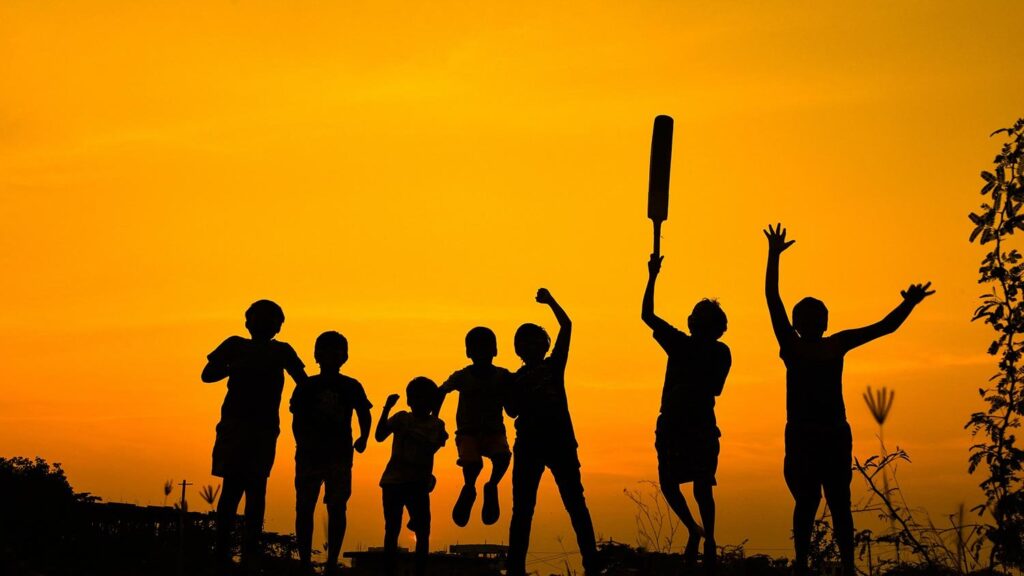
Schools and youth clubs now run “wildlife music challenges,” encouraging students to write lyrics about nature, record performances, and share them online. This new generation is proving that African Nations Are Singing not only in villages and festivals but across the entire digital landscape, turning conservation into a modern cultural trend.
1. A Cultural Wave Turning Rhythm Into Conservation
African communities have long used music as a tool to communicate identity, values, and shared history. Today, that tradition is evolving into a movement focused on wildlife protection.
Songs about elephants, lions, rhinos, and sea turtles are reaching remote villages, classrooms, festivals, and national radio programs.
Through these performances and campaigns, African Nations Are Singing messages of pride, responsibility, and environmental awareness—making conservation emotional, memorable, and accessible.
2. Why Music Works Better Than Traditional Awareness Campaigns
Scientific reports and political messaging often fail to reach rural populations or resonate emotionally. Music, however, bypasses those barriers.
Music inspires action because it:
- Connects generations – elders and youth share rhythms that reinforce family and cultural bonds.
- Breaks language barriers – melody carries meaning even when lyrics differ between regions.
- Transforms complex issues into personal stories people relate to.
- Spreads faster in regions where radio and community performances are more accessible than television or internet.
This is why conservation NGOs are tapping into cultural communication instead of relying solely on scientific outreach.
3. Countries Leading the Music-Driven Conservation Movement
Kenya
Artists collaborate with wildlife rangers to produce songs discouraging ivory trade and celebrating elephants. Tracks in Swahili and Maasai languages reach thousands of households weekly.
Zimbabwe
School choirs perform during anti-poaching marches. Music becomes a shared call to protect national parks and corridors.
South Africa
Jazz, gospel, and traditional Zulu rhythms merge in campaigns supporting rhino protection. Popular artists amplify messages nationwide.
Ghana
Drumming festivals introduce wildlife themes, raising funds for sea turtle conservation and coastal habitat protection.
These examples highlight how African Nations Are Singing as a unified voice for environmental change.
4. Government & NGO Support Is Expanding the Movement
As the success of music-based outreach becomes clear, several organizations are investing in it:
- Tourism ministries commission songs promoting eco-tourism.
- NGOs fund recording studios to help local artists produce conservation tracks.
- International groups partner with African musicians for cross-border message campaigns.
This approach strengthens trust, boosts national pride, and helps communities feel directly involved in protecting their landscapes.
5. Real Impact: How Music is Changing Wildlife Conservation
This isn’t symbolic—it’s working.
- Villages exposed to music campaigns report drops in poaching attempts.
- Schools using wildlife songs show higher conservation knowledge in students.
- Tourism campaigns using culturally-rooted music experience stronger engagement online.
- Communities feel a deeper emotional connection to wildlife, which influences long-term behaviors.
By blending modern storytelling with ancestral traditions, African Nations Are Singing their way into measurable conservation success.
If you’re exploring how culture and innovation shape global trends, read our guide:
- 👉 How to Rank Higher in the SER
https://nuwsio.com/optimized-content-to-rank-in-the-ser-search-engine-crol - 👉 AI Workflow Automation: Proven Strategies for Small Businesses
https://nuwsio.com/unlock-efficiency-ai-workflow-automation