



















































































































Agentic AI in Enterprise: 5 Game-Changing Benefits


The rapid evolution of Artificial Intelligence is fundamentally reshaping how enterprises operate, compete, and deliver value. As competitive pressures intensify, organizations are accelerating their digital transformation initiatives with AI as the cornerstone technology. Agentic AI in enterprise environments has moved from theoretical discussion to practical implementation, with forward-thinking companies deploying autonomous systems that can perceive, reason, and take action. The emergence of powerful enterprise AI use cases is creating new operational paradigms across industries, from manufacturing to financial services.
Table of Contents
Core AI Tools & Infrastructure
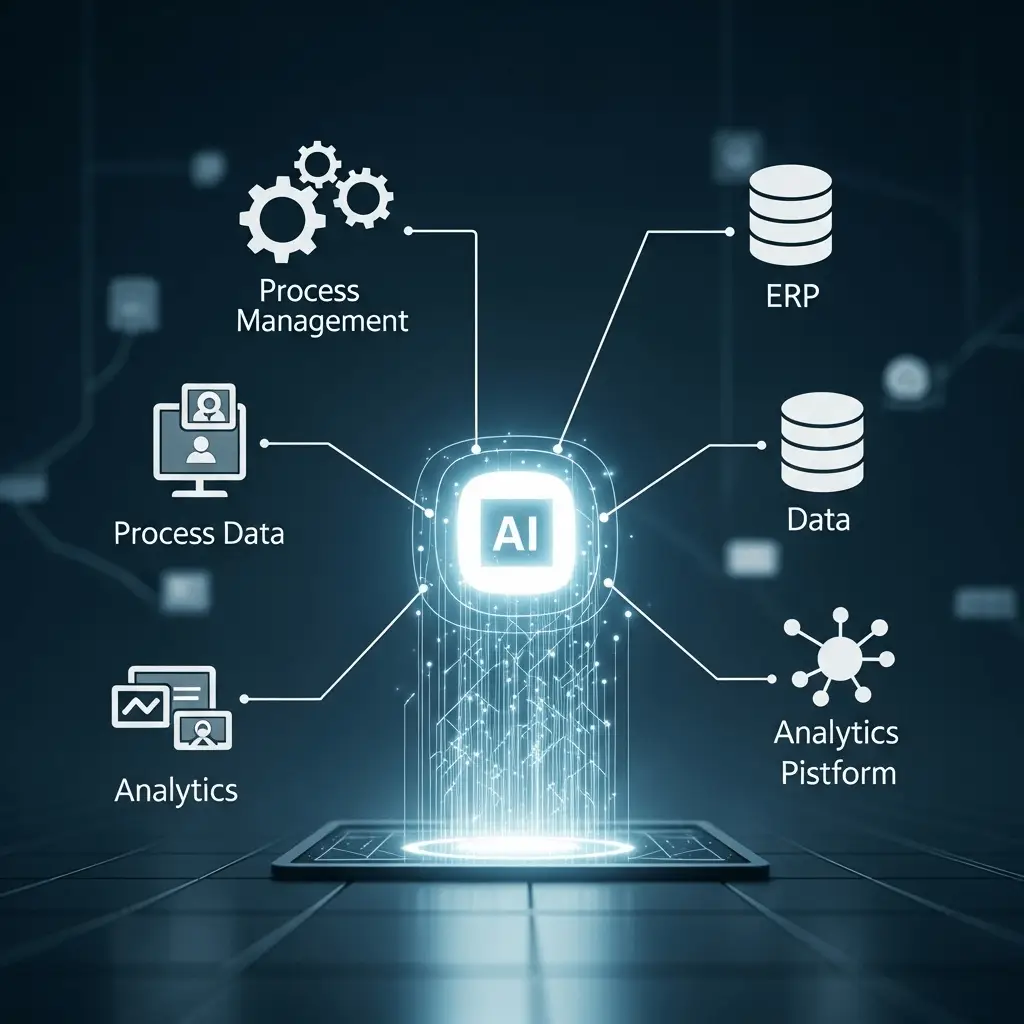
Enterprise AI implementation requires a sophisticated technology stack that extends beyond basic analytics. Modern AI infrastructure typically includes:
– Enterprise-grade AI platforms that provide development environments, model management, and deployment capabilities
– Advanced analytics systems capable of processing structured and unstructured data at scale
– Cloud infrastructure optimized for AI workloads, including specialized hardware accelerators
– Governance frameworks that address ethical considerations, bias detection, and compliance requirements
– Workflow automation tools that integrate AI capabilities into existing business processes
– Robust data architecture including data lakes, warehouses, and real-time processing capabilities
These components form the technical foundation upon which transformative AI capabilities are built.
Implementation Timeline & Enterprise Adoption Curve

Enterprise AI adoption follows a predictable maturity curve that organizations must navigate strategically. The journey typically includes:
1. Exploration Phase (3-6 months) – Identifying high-value use cases and conducting preliminary assessments
2. Pilot Phase (6-12 months) – Implementing controlled AI projects with clear success metrics
3. Scaling Phase (1-2 years) – Expanding successful pilots across business units
4. Transformation Phase (2-5 years) – Embedding AI capabilities throughout organizational processes
Organizations must balance quick wins with long-term strategic vision, recognizing that meaningful digital transformation through AI requires sustained commitment.
Step-by-Step Enterprise AI Implementation Framework

A structured implementation approach increases the likelihood of AI initiative success:
1. AI Readiness Assessment – Evaluate data quality, technical capabilities, and organizational culture
2. Strategic Use Case Identification – Prioritize opportunities based on business impact and implementation feasibility
3. Data Foundation Preparation – Establish data governance, integration, and quality mechanisms
4. Governance and Ethical Framework – Develop policies for responsible AI deployment
5. Proof-of-Concept Development – Build minimum viable AI solutions for priority use cases
6. Production Implementation – Deploy solutions with appropriate monitoring and feedback mechanisms
7. Continuous Improvement – Refine models and expand capabilities based on performance
Agentic AI in enterprise settings requires particular attention to autonomous decision boundaries and human oversight mechanisms. Successful enterprise AI use cases typically follow this methodical approach rather than pursuing ad hoc implementations.
Strategic Benefits for Enterprise Organizations
AI adoption delivers multi-dimensional value to the enterprise:
– Operational Excellence – Automation of routine tasks reduces costs while improving accuracy and consistency
– Enhanced Decision Intelligence – Data-driven insights enable better strategic and tactical decisions
– Customer Experience Transformation – Personalized interactions drive loyalty and lifetime value
– Product and Service Innovation – AI enables entirely new offerings or features
– Risk Mitigation – Predictive capabilities help identify and address potential issues proactively
– Competitive Differentiation – AI capabilities create sustainable advantages difficult for competitors to replicate
These benefits compound over time as AI systems learn from additional data and expand their capabilities.
Advanced GEO & Semantic Optimization for AI Content
Organizations leveraging AI for content and knowledge management should implement:
– Entity Recognition Systems that understand relationships between business concepts
– Semantic Search Capabilities that interpret user intent beyond keywords
– Content Intelligence Frameworks that automatically categorize and tag information
– Personalization Engines that deliver contextually relevant information
– Knowledge Graph Integration linking disparate information sources
These capabilities create intelligent information ecosystems that dramatically improve knowledge worker productivity.
Enterprise AI Mistakes to Avoid

Common pitfalls in enterprise AI implementation include:
– Technology-First Approach – Implementing AI solutions without clear business problems to solve
– Data Quality Underestimation – Failing to address fundamental data issues before AI implementation
– Inadequate Change Management – Neglecting the human elements of AI adoption
– Isolated Implementation – Creating AI silos disconnected from broader business processes
– Governance Afterthoughts – Adding ethical considerations after systems are built rather than designing them in
– Unrealistic Expectations – Setting overly ambitious timelines or impact metrics
Avoiding these mistakes requires executive sponsorship, cross-functional collaboration, and realistic planning.
Performance Measurement & AI ROI Tracking
Effective AI initiatives require comprehensive measurement frameworks:
– Technical Metrics – Model accuracy, processing speed, data quality
– Operational Metrics – Automation rates, process improvements, error reduction
– Financial Metrics – Cost savings, revenue enhancement, investment efficiency
– Strategic Metrics – Competitive positioning, innovation capacity, adaptability
Leading organizations implement balanced scorecard approaches that connect AI performance to ultimate business outcomes.
Conclusion
The transformative potential of Agentic AI in enterprise settings can only be realized through methodical implementation, cultural alignment, and continuous refinement. Organizations that approach AI as a strategic capability rather than a tactical tool will achieve sustainable competitive advantage. Successful enterprise AI use cases demonstrate that transformative results require patience, persistence, and a willingness to reimagine business fundamentals. The most successful organizations will be those that view AI not merely as a technology implementation but as a catalyst for comprehensive business reinvention.
FAQs
What is a realistic timeframe for enterprise-wide AI transformation?
Comprehensive AI transformation typically requires 3-5 years, though meaningful benefits can be realized within 6-12 months through targeted implementations focusing on high-value use cases.
How should organizations approach AI governance and ethics?
Effective governance requires a cross-functional approach involving legal, compliance, IT, and business stakeholders to create principles, policies, and review mechanisms before AI systems are deployed at scale.
What metrics best demonstrate AI’s return on investment?
The most compelling ROI metrics connect AI capabilities directly to business outcomes such as cost reduction, revenue growth, customer retention, and operational efficiency improvements.
How can enterprises integrate AI with legacy systems?
Integration approaches include API-based connectivity, middleware solutions, data virtualization, and in some cases, gradual system replacement where legacy constraints prove too limiting.
What organizational capabilities are required for sustainable AI success?
Beyond technical expertise, successful AI transformation requires data literacy across the organization, executive sponsorship, change management capabilities, and a culture of experimentation and continuous learning.