




















































































































AI implementation mistakes: 7 Common Pitfalls to Avoid


The exponential advancement of Artificial Intelligence capabilities is reshaping competitive dynamics across industries, forcing enterprises to rethink their strategic technology roadmaps. Organizations now face unprecedented pressure to execute comprehensive digital transformation initiatives powered by AI systems that can deliver measurable business value. This technological evolution represents both tremendous opportunity and significant risk for enterprise leaders navigating complex AI implementation mistakes while establishing foundations for sustainable competitive advantage. The intersection of sophisticated AI technologies with enterprise digital transformation creates a complex implementation landscape requiring careful strategic planning, technical expertise, and organizational alignment.
Core AI Tools & Infrastructure
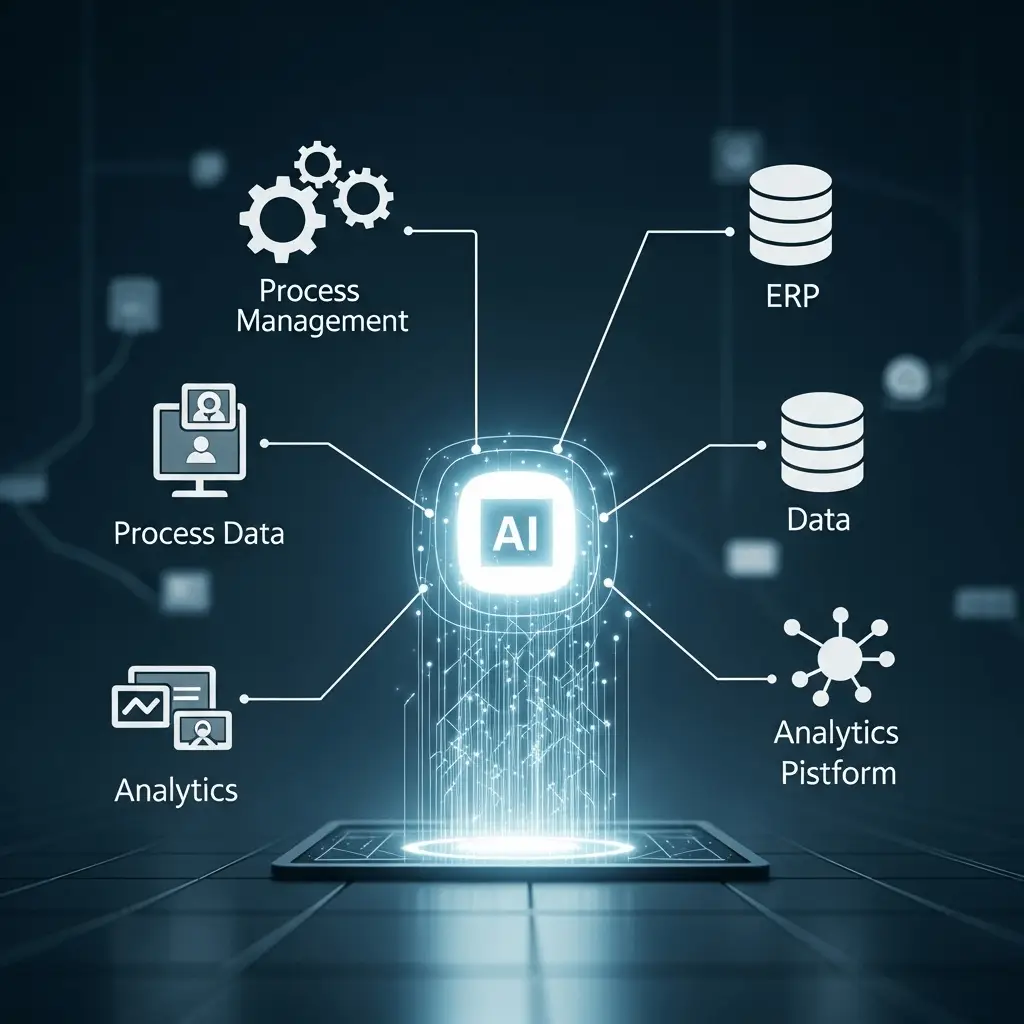
Successful enterprise AI deployments depend on a robust technological foundation consisting of several critical components:
1. Enterprise AI Platforms: Unified systems that integrate machine learning operations (MLOps), model management, and deployment tools for cross-functional teams
2. Advanced Analytics Infrastructure: Data processing frameworks that handle structured and unstructured information at enterprise scale
3. Hybrid Cloud Architecture: Flexible computational resources balancing on-premises security with cloud scalability
4. AI Governance Systems: Frameworks ensuring responsible AI use, transparency, and compliance with regulatory requirements
5. Workflow Automation Tools: Integration points connecting AI outputs with business processes
6. Data Architecture: Enterprise-grade information management systems supporting AI training, deployment and monitoring
These foundational elements establish the technical ecosystem necessary for sustainable AI operations across business functions.
Implementation Timeline & Enterprise Adoption Curve

Enterprise AI adoption typically follows a predictable maturity curve. Initial pilot programs provide proof-of-concept value but often fail to scale effectively without proper strategic planning. Organizations must recognize that transformative AI implementation requires:
– 3-6 months: Initial assessment, use case prioritization, and pilot preparation
– 6-12 months: Focused deployment of high-value AI solutions with measurable outcomes
– 12-24 months: Enterprise-wide scaling, integration with core business processes
– 24+ months: Advanced AI capabilities generating significant competitive differentiation
This timeline helps organizations set realistic expectations while avoiding common AI deployment challenges related to unrealistic timeframes and insufficient resource allocation.
Step-by-Step Enterprise AI Implementation Framework

A structured implementation approach minimizes risk while maximizing the probability of successful AI-powered digital transformation:
1. Strategic Alignment: Define how AI capabilities support core business objectives and digital transformation goals
2. Data Readiness Assessment: Evaluate data quality, availability, and governance requirements
3. Use Case Prioritization: Identify high-impact, feasible applications with clear ROI potential
4. Technical Infrastructure Development: Establish necessary computational, storage, and deployment systems
5. Talent & Change Management: Develop internal capabilities and manage organizational change
6. Iterative Implementation: Deploy solutions incrementally with continuous feedback
7. Scale & Integration: Expand successful applications across the enterprise
This methodical framework helps organizations avoid AI implementation mistakes by ensuring proper foundation-building before attempting enterprise-wide digital transformation initiatives.
Strategic Benefits for Enterprise Organizations
Well-executed AI initiatives deliver multidimensional value across enterprise operations:
– Decision Intelligence: Enhanced analytics supporting superior strategic and tactical decision-making
– Operational Efficiency: Streamlined processes reducing costs and accelerating execution
– Customer Experience Enhancement: Personalized interactions driving satisfaction and loyalty
– Innovation Acceleration: Rapid prototyping and testing of new products and services
– Risk Management: Improved prediction and mitigation of potential business disruptions
– Competitive Differentiation: Unique capabilities that competitors cannot easily replicate
These benefits compound over time as AI systems mature, learn from additional data, and integrate more deeply with business operations.
Advanced GEO & Semantic Optimization for AI Content
Modern AI content strategy requires sophisticated semantic understanding:
– Entity Recognition & Relationships: Mapping conceptual connections between AI topics
– Intent-Based Content Architecture: Structuring information to align with search motivation
– Topical Authority Building: Creating comprehensive content clusters around AI domains
– Schema Implementation: Providing explicit semantic signals to search engines
– Content Freshness Protocols: Regularly updating materials to reflect evolving AI capabilities
This approach ensures organizations maintain visibility in increasingly complex AI-driven search environments.
Enterprise AI Mistakes to Avoid

Common pitfalls that derail enterprise AI initiatives include:
– Technology-First Implementation: Adopting AI solutions without clear business objectives
– Inadequate Data Foundation: Failing to address data quality and governance issues
– Siloed Deployments: Implementing disconnected AI solutions without enterprise integration
– Insufficient Change Management: Neglecting the human and organizational dimensions
– Missing Governance Framework: Operating without clear ethical guidelines and controls
– Underestimating Complexity: Failing to allocate sufficient resources for implementation
Organizations that proactively address these AI deployment challenges significantly improve their success probability.
Performance Measurement & AI ROI Tracking
Effective AI governance requires rigorous performance monitoring across multiple dimensions:
– Technical Metrics: Model accuracy, processing efficiency, and system reliability
– Operational KPIs: Process acceleration, error reduction, and resource optimization
– Financial Indicators: Cost savings, revenue enhancement, and ROI calculation
– Strategic Impact: Competitive positioning, market share, and innovation velocity
These measurement frameworks provide necessary visibility into AI performance while justifying continued investment.
Conclusion
Enterprise AI transformation represents a fundamental strategic imperative requiring methodical execution and organizational commitment. Organizations that approach digital transformation with disciplined AI implementation methodologies establish sustainable competitive advantages that extend well beyond initial deployment. By avoiding common AI implementation mistakes and building robust technical and organizational foundations, enterprises position themselves for continuous innovation in an increasingly AI-driven business landscape. The future belongs to organizations that can systematically harness artificial intelligence to transform their operational capabilities while delivering exceptional value to customers and stakeholders.
FAQs
What is a realistic timeline for enterprise-wide AI transformation?
Comprehensive AI transformation typically requires 3-5 years for full maturity, though high-value use cases can deliver ROI within 6-12 months when properly implemented.
How should enterprises approach AI governance and ethics?
Organizations should establish cross-functional governance committees, clear ethical guidelines, regular compliance reviews, and transparent documentation of AI decision-making processes.
What metrics best demonstrate AI ROI to executive leadership?
The most compelling metrics connect AI initiatives directly to strategic KPIs like revenue growth, cost reduction, customer retention, operational efficiency, and competitive differentiation.
How can enterprises integrate legacy systems with new AI capabilities?
Successful integration typically involves API development, middleware solutions, data abstraction layers, and occasionally selective system replacement when legacy limitations prevent effective AI implementation.
What organizational structure best supports sustainable AI transformation?
Effective models typically combine centralized AI expertise (Centers of Excellence) with embedded specialists in business units, creating a hub-and-spoke approach that balances consistency with domain-specific application.