























































































































AI Workflow ROI: 7 Ways to Maximize Gains Today


The Enterprise AI Revolution: Strategic Frameworks for Transformative Digital Acceleration
In today’s hyper-competitive business landscape, enterprises face unprecedented pressure to leverage Artificial Intelligence for meaningful digital transformation. Organizations across sectors are witnessing an acceleration in AI adoption timelines, compressing what was once a five-year roadmap into urgent 18-month implementation plans. This rapid shift demands a structured approach to AI workflow ROI that balances immediate gains with long-term strategic positioning. As C-suite leaders navigate this complex terrain, the ability to systematically implement AI while demonstrating measurable AI automation ROI has become the defining factor in enterprise competitive advantage.
Core AI Tools & Infrastructure
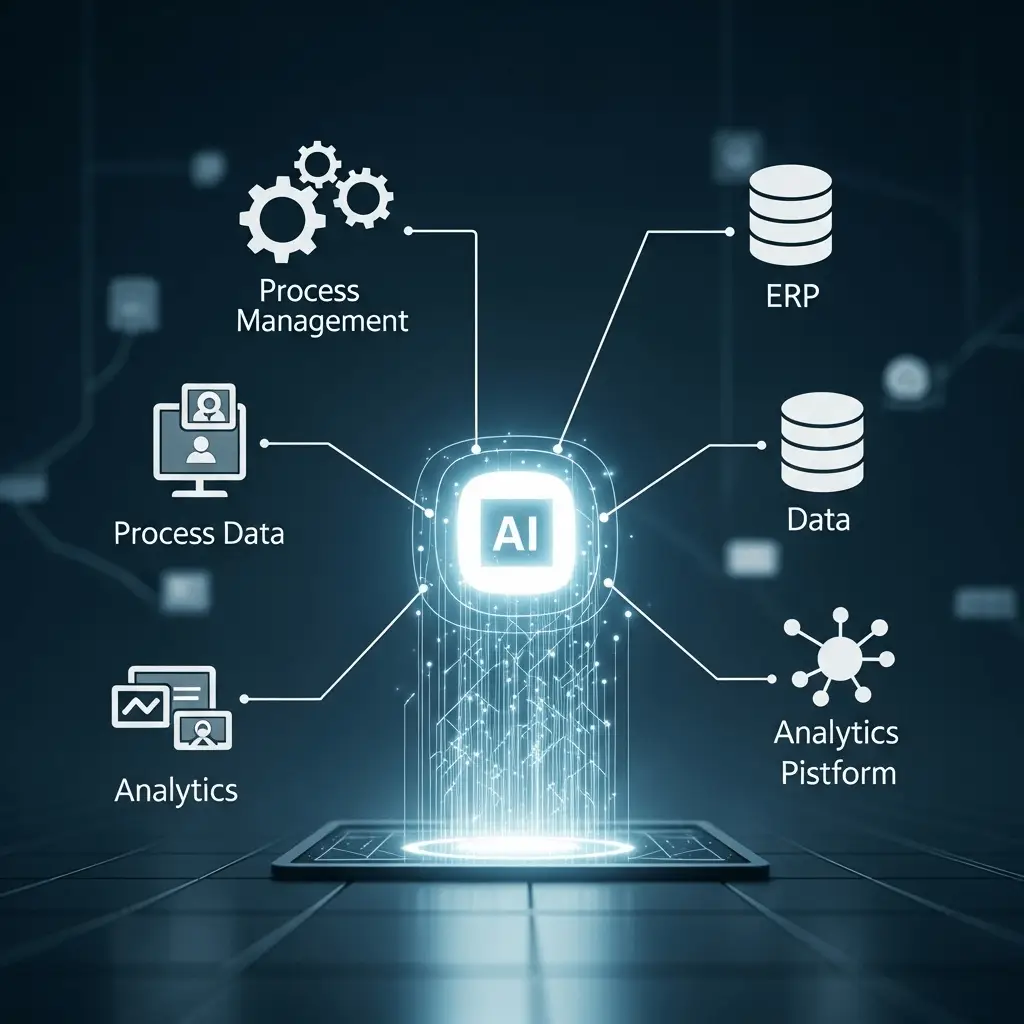
Successful enterprise AI deployment requires a sophisticated technology stack with multiple integrated components:
– Enterprise AI Platforms: Unified systems that provide development, deployment, and management capabilities across the AI lifecycle
– Analytics Architecture: Robust data processing frameworks that support both historical and real-time analytics
– Cloud Infrastructure: Scalable compute resources optimized for machine learning workloads with specialized GPU/TPU acceleration
– Governance Frameworks: Comprehensive policies addressing data ethics, algorithm transparency, and regulatory compliance
– Workflow Automation Tools: Systems that connect AI outputs to operational processes and business actions
– Data Architecture: Enterprise-grade data pipelines with cleansing mechanisms, feature stores, and version control systems
Modern enterprise solutions must balance technical sophistication with operational flexibility, allowing for both centralized governance and distributed innovation.
Implementation Timeline & Enterprise Adoption Curve

Enterprise AI adoption typically follows a predictable maturity curve, though implementation velocity varies significantly by sector and organizational readiness. The journey generally progresses through:
1. Initial Exploration (3-6 months): Discovery, use case identification, and pilot scoping
2. Targeted Pilots (6-12 months): Controlled implementations with defined success metrics
3. Functional Scaling (12-24 months): Expanding successful models across business units
4. Enterprise Integration (24-36 months): Embedding AI capabilities into core business operations
5. Transformative Optimization (36+ months): Leveraging predictive intelligence for strategic reinvention
Organizations must resist pressure for unrealistic timelines while maintaining implementation momentum through quick wins and clear value demonstrations.
Step-by-Step Enterprise AI Implementation Framework

A systematic approach to enterprise AI deployment requires methodical progression:
1. AI Readiness Assessment: Evaluate data maturity, technical infrastructure, talent capabilities, and organizational change readiness
2. Use-Case Prioritization: Score potential applications based on business impact, implementation complexity, data availability, and strategic alignment
3. Data Foundation Development: Establish governance protocols, integration patterns, quality standards, and accessibility frameworks
4. Governance Structure Creation: Define oversight responsibilities, ethical guidelines, risk management protocols, and compliance mechanisms
5. Initial Capability Deployment: Implement prioritized use cases with clear performance measurement and feedback loops
6. Expansion and Scaling: Build upon successful implementations to drive broader AI workflow ROI while refining approach based on lessons learned
7. Continuous Optimization: Maintain ongoing performance monitoring, model retraining, and AI automation ROI improvement
This structured framework ensures that digital transformation initiatives maintain strategic alignment while delivering incremental business value.
Strategic Benefits for Enterprise Organizations
When properly implemented, enterprise AI delivers multidimensional value:
– Operational Efficiency: 15-40% productivity improvements through intelligent process automation
– Decision Intelligence: Enhanced strategic positioning through predictive analytics and scenario modeling
– Customer Experience Transformation: Personalized interactions that drive loyalty and lifetime value
– Innovation Acceleration: Compressed product development cycles through generative systems
– Resource Optimization: Improved capital allocation through AI-enhanced planning systems
– Competitive Differentiation: Sustainable advantage through data intelligence capabilities
Leading organizations are now measuring AI value not just in cost reduction but in strategic positioning and market responsiveness.
Advanced GEO & Semantic Optimization for AI Content
Modern AI-driven search systems demand sophisticated content optimization strategies:
– Entity Relationship Mapping: Establish clear connections between related concepts and technological components
– Semantic Intent Alignment: Structure content to address multiple query intents within the enterprise AI domain
– Topical Authority Building: Develop comprehensive content clusters around core AI transformation concepts
– NLP-Optimized Language Patterns: Utilize natural language constructions that align with machine learning parsing
– Internal Knowledge Graph Development: Create structured data relationships between content assets
– Search Intent Satisfaction Signals: Design content that fulfills user needs to maximize engagement metrics
This layered approach ensures content visibility across evolving search algorithms while providing genuine value to enterprise audiences.
Enterprise AI Mistakes to Avoid

Organizations frequently encounter these implementation pitfalls:
– Technology-First Approach: Deploying AI solutions without clear business problems
– Inadequate Data Governance: Failing to address data quality, access, and compliance requirements
– Unrealistic Timeline Expectations: Setting aggressive implementation schedules that ignore organizational realities
– Pilot Purgatory: Conducting endless experiments without pathways to production
– Change Management Neglect: Underestimating the human and cultural dimensions of AI adoption
– Isolated Implementation: Failing to integrate AI initiatives with broader digital transformation efforts
Avoiding these common mistakes requires disciplined planning and cross-functional alignment.
Performance Measurement & AI ROI Tracking
Comprehensive AI performance measurement requires multidimensional metrics:
– Technical Performance: Model accuracy, processing efficiency, and reliability metrics
– Operational Impact: Automation rates, error reduction, and process acceleration measurements
– Financial Returns: Direct cost savings, revenue enhancement, and resource optimization
– Strategic Advancement: Market responsiveness, competitive positioning, and innovation velocity
– Capability Development: Organizational learning, skill advancement, and knowledge creation
Effective measurement frameworks must balance quantitative and qualitative indicators across different time horizons.
Conclusion
The enterprise journey toward AI-driven digital transformation requires methodical execution, balancing technical implementation with organizational readiness. As companies pursue AI workflow ROI, they must adopt structured frameworks that connect immediate automation opportunities with long-term strategic repositioning. Organizations that develop comprehensive governance models while maintaining implementation momentum will achieve sustainable competitive advantage through their AI initiatives. The most successful enterprises will combine rigorous AI automation ROI measurement with adaptive implementation approaches, creating a foundation for ongoing digital evolution.
FAQs
What is a realistic timeline for enterprise-wide AI implementation?
Most organizations require 2-3 years for comprehensive implementation, though this varies based on organizational size, industry complexity, and digital maturity. Implementation should follow a phased approach with incremental value delivery.
How should enterprises address AI governance and ethical considerations?
Organizations should establish cross-functional governance committees with clear accountability for data ethics, algorithm transparency, bias mitigation, and regulatory compliance. This structure should balance innovation enablement with appropriate risk management.
What methodologies best measure enterprise AI investment returns?
Effective measurement combines traditional financial metrics (ROI, NPV, IRR) with strategic indicators like market responsiveness, innovation velocity, and competitive positioning. Organizations should implement balanced scorecards that track both immediate efficiency gains and long-term strategic impacts.
How can enterprises address integration challenges between AI systems and legacy infrastructure?
Organizations should adopt API-first architectures, develop clear data exchange protocols, implement robust middleware solutions, and create technical transition plans that balance innovation with operational stability.
What organizational structures best support enterprise-wide AI scaling?
Most successful organizations employ hybrid models that combine centralized Centers of Excellence (providing governance, standards, and shared capabilities) with embedded teams that drive business unit implementation and adoption.