


















































































































Avocado Consumption: 7 Powerful Trends Behind Record-Breaking Demand


Avocado consumption continues to rise globally as health-focused diets become more mainstream.
Avocado demand has surged worldwide as shoppers lean into nutrient-dense, minimally processed foods. From breakfast toast to smoothie bowls and sushi rolls, the fruit’s blend of healthy fats, fiber, and versatility has pushed consumption to new highs. This article explains the health and lifestyle forces behind the rise, how supply chains are adapting, and what retailers and restaurants can do to meet demand sustainably.
Why avocados fit today’s health mindset
Today’s rise in avocado consumption is strongly linked to consumers seeking nutrient-dense, clean-label foods.
Consumers are prioritizing foods that deliver satiety, steady energy, and simple ingredient lists. Avocados align with that shift:
- Nutrient density: Naturally rich in monounsaturated fats, fiber, and key micronutrients (e.g., potassium and folate).
- Diet versatility: Works across popular patterns (Mediterranean, plant-forward, low-carb) and cuisines.
- Satiety & substitution: Adds creaminess without dairy, and helps replace ultraprocessed spreads in sandwiches and bowls.
Lifestyle drivers behind the spike
Social cooking and visual appeal
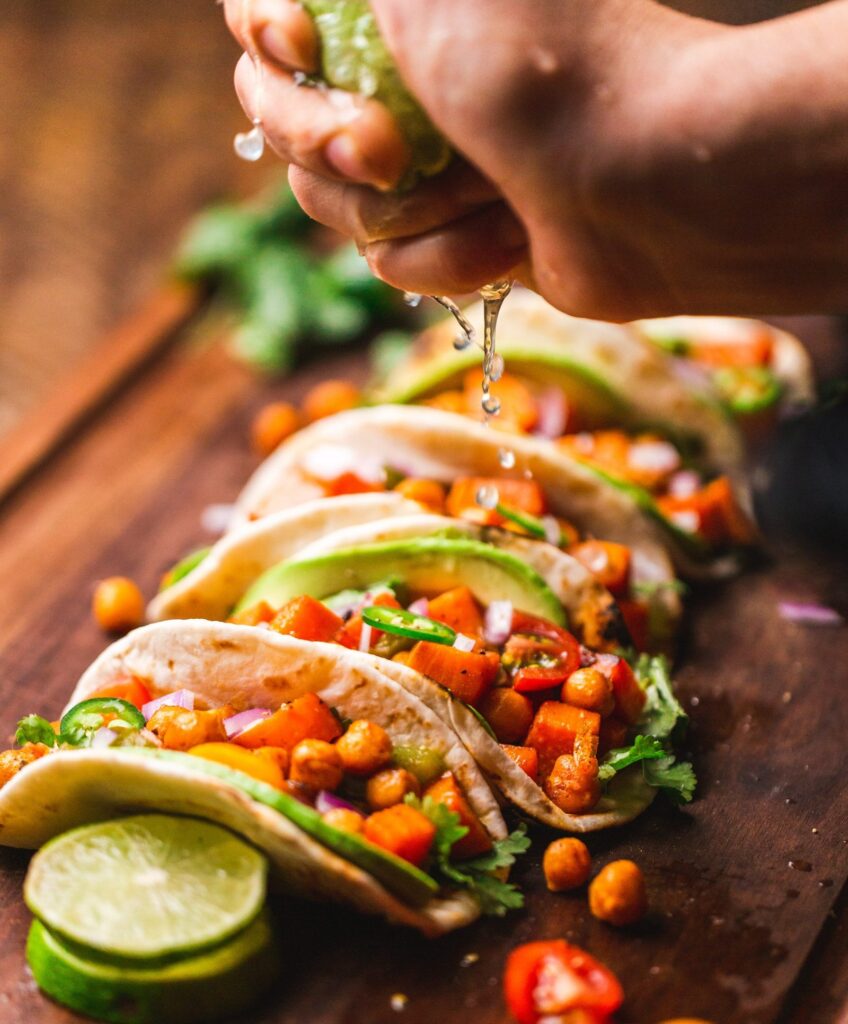
Short-form cooking content rewards vibrant, photogenic ingredients. Avocado’s color and texture perform well in reels and shorts, inspiring at-home experimentation and repeat purchases.
On-the-go meals and snacking
Pre-ripened packs, single-serve cups, and ripeness-indicator labels make avocados easier to use during busy weekdays, supporting lunchbox, office, and gym-bag use cases.
Foodservice innovation
Quick-service and fast-casual brands added avocado to premium tiers—on burgers, salads, and burritos—cementing it as a “better-for-you” upgrade consumers now expect.
Supply and merchandising: what’s changing
Ripening and freshness programs
Retailers increasingly invest in in-store ripening windows, back-room temperature controls, and display rotation to offer “ripe now” and “ripe later” options side by side, reducing waste and boosting conversion.
This surge in avocado consumption is strongly linked to consumer demand for clean, nutrient-dense foods.
Pack sizes and pricing ladders
Two-count and five-count nets, plus loose premium sizes, let shoppers trade up or down by occasion. Clear price tiers help during inflationary periods without losing volume.
Cross-merchandising that works
- Breakfast zone: bread, eggs, smoked salmon, and seasoning blends.
- Salad/sushi station: rice, seaweed sheets, cucumbers, and sesame.
- Game-day dips: tortilla chips, salsa, limes, and tomatoes for guacamole.
Sustainability and sourcing considerations
Responsible sourcing remains top of mind. Buyers and consumers look for:
- Water stewardship and orchard management in major producing regions.
- Third-party certifications (sustainability or fair-labor focused) where available.
- Cold-chain efficiency to minimize spoilage and reduce emissions per edible kilogram.
Tip for retailers: share a short sourcing statement on shelf tags or product detail pages; transparency builds loyalty and defends premium pricing.
Restaurant & retailer playbook
- Menu engineering: feature avocado as a paid add-on across multiple SKUs (salads, bowls, burgers). It lifts average check without heavy prep.
- Limited-time offers: seasonal guacamole flavors (roasted corn, mango-chile), avocado hummus, or breakfast toast flights encourage trial.
- Education content: a 15-second “how to choose and store” clip near the display—or a simple graphic online—cuts returns and waste.
- Prep simplification: back-of-house relies on ripeness-tested cases or pre-diced options for speed during rushes.
- Waste reduction: promote recipes for slightly over-ripe fruit (dressings, smoothies, baked goods) and use citrus to slow browning.
Common consumer questions (and quick answers)
- How do I pick a good avocado? Choose fruit that yields slightly to gentle pressure at the stem end; avoid large soft spots or cracks.
- How do I ripen faster? Keep at room temperature; placing with bananas or apples in a paper bag can speed ripening.
- How do I store a cut avocado? Leave the pit in, brush exposed flesh with lemon/lime, wrap airtight, and refrigerate; surface browning can be scraped off.
- Is it only for savory dishes? No—try smoothies, chocolate-avocado mousse, or avocado-yogurt dressings.
Outlook: will the momentum last?
As avocado consumption continues to rise, both retailers and restaurants will need smarter sourcing and merchandising strategies.
Barring major supply shocks, avocado demand should remain resilient. The fruit’s role as a premium yet everyday upgrade—plus its fit with health-forward eating—keeps it prominent in carts and menus. Expect more convenient formats (pre-portioned cups, freeze-dried cubes) and wider use in plant-based recipes that need richness without dairy.
If you want to explore more insights on global avocado trends, sourcing practices, and consumption patterns, here are reputable external resources you can rely on:
FreshFruitPortal – Avocado Industry News
https://www.freshfruitportal.com
Covers global supply updates, pricing shifts, and retail opportunities.
Hass Avocado Board – Consumption Reports
https://hassavocadoboard.com
A reliable source offering updated market insights and consumption data.
FAO – Global Avocado Market Overview
https://www.fao.org
Provides worldwide production trends, sustainability data, and economic analyses.
If you’re interested in more trending food and market analysis topics, you may enjoy:
- How to Rank Higher in the SER
https://nuwsio.com/optimized-content-to-rank-in-the-ser-search-engine-crol/ - AI Workflow Automation: 7 Smart Tips for Small Businesses
https://nuwsio.com/unlock-efficiency-ai-workflow-automation/
These internal links strengthen site structure and help search engines understand topic relationships.