





















































































































In the 1930s, as Today, the Shift to Newsletters Arose Amidst Economic Uncertainty and Media Transformation


During the 1930s, the world faced economic depression, shifting political alliances, and a rapidly evolving media landscape. Traditional newspapers struggled to maintain trust and readership. In response, individuals and organizations turned to newsletters—direct-to-reader communications that bypassed large publishing gatekeepers. Nearly a century later, the same cycle has reappeared: creators, journalists, and brands are rediscovering newsletters as a personal, reliable channel in an era of digital overload.
1. The Context of the 1930s: When Media Lost Its Grip
- Economic pressure: The Great Depression weakened advertising revenue and limited newspaper reach. Independent writers sought affordable ways to sustain their audiences.
- Rise of expertise: Economists, investors, and reformers used newsletters to share analysis and commentary without newsroom editors.
- Trust and access: Readers wanted facts and opinions directly from the source, free from political bias and mass sensationalism.
The mimeograph and postal system of that era worked like today’s email platforms—tools that democratized publishing.
2. The Modern Echo: Fragmentation and Digital Fatigue
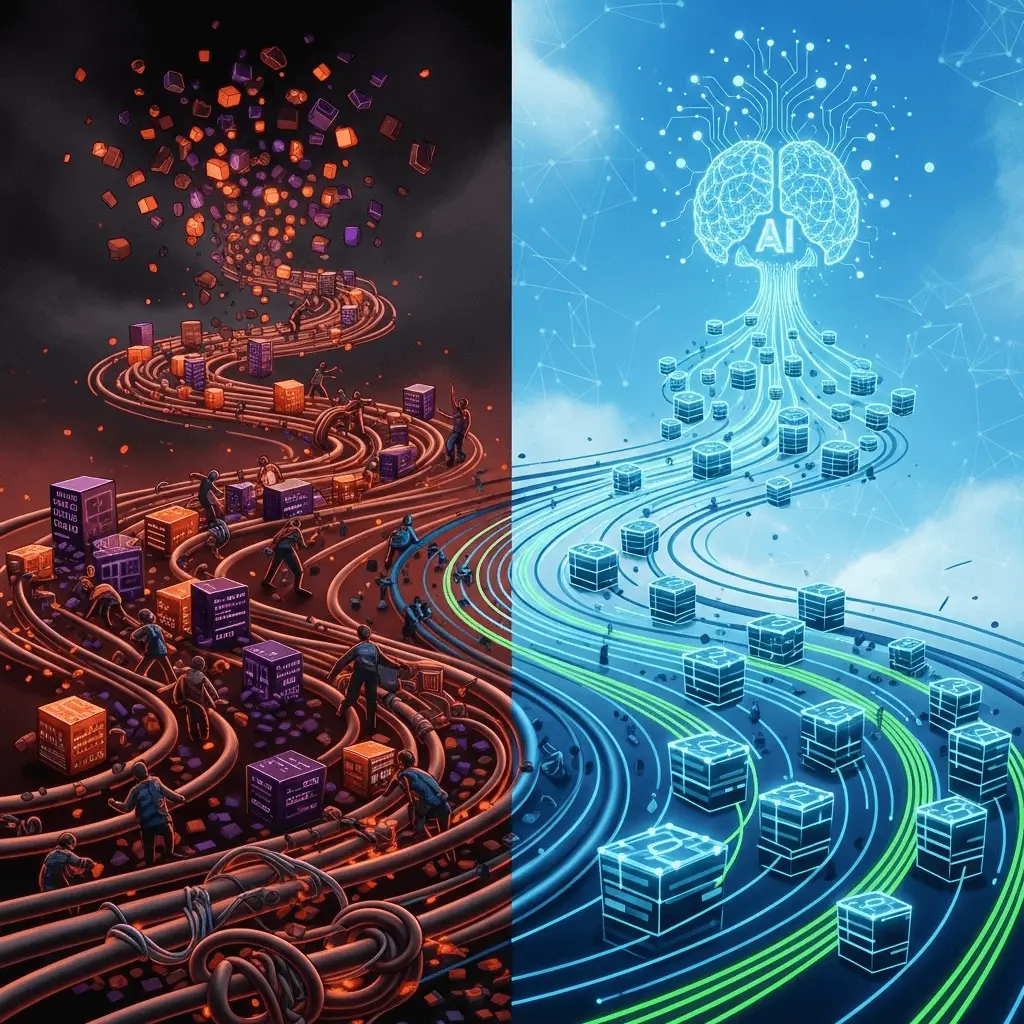
Social media once promised open communication, but algorithms, misinformation, and noise diluted the message.
Today’s newsletters—via platforms like Substack, Ghost, or Beehiiv—offer what newspapers once did: clarity, rhythm, and personality.
- Direct communication: No algorithm between the writer and the reader.
- Predictable cadence: Readers expect regular delivery, a comfort in chaotic digital streams.
- Audience ownership: Creators control their lists, data, and revenue models.
Where the 1930s writer mailed typed pages, today’s creator schedules automated campaigns—but the mission is identical.
3. Why the Newsletter Format Endures
- Simplicity: One message, one medium, one direct path.
- Habit-building: Readers anticipate the next issue; engagement compounds over time.
- Depth over volume: Unlike quick posts, newsletters allow argument, analysis, and narrative.
- Community: Readers reply directly—forming small, loyal circles instead of fleeting clicks.
Even as tools evolve, newsletters remain the most personal form of mass communication.
4. What History Teaches Modern Creators
- Consistency beats scale: 1930s publishers who mailed 500 copies monthly built more loyalty than newspapers reaching millions.
- Clarity over flash: Direct analysis and useful data outlast headlines.
- Voice as signature: Readers subscribed to personalities, not institutions—a pattern that defines today’s creator economy.
- Trust is the currency: Then and now, credibility determines survival.
5. The Future: Hybrid Media and the Return of the Editor
As newsletters merge with podcasts, community platforms, and video, the line between journalist and creator continues to blur. Yet the principle stays constant: authentic, scheduled communication with readers who choose to listen.
When people lose faith in traditional outlets, they return to the personal newsletter—a direct thread between writer and reader, revived again by technology but rooted in the same human desire for trustworthy connection.